
What Minimalism Looks Like in 2026
Minimalism in 2026 has evolved. While the core principles remain — clarity, restraint, intentionality — the visual language has softened significantly. The stark, high-contrast minimalism of previous years is being replaced by interiors that are warmer, more tactile, and designed to support everyday living rather than visual impact alone.
Today’s minimalist homes prioritize comfort, longevity, and emotional ease. The focus is no longer on removing as much as possible, but on making deliberate, well-considered choices.

Minimalism Shifts From Visual to Functional
Earlier minimalist interiors were often defined by what they lacked: decoration, color, personal objects. While visually striking, these spaces frequently felt impersonal and impractical for long-term living.
In 2026, minimalism is measured by how a space functions, not how empty it appears.
Rooms are still edited and uncluttered, but they are designed to:
Feel comfortable to use daily
Support routines and rest
Reduce visual noise without removing warmth
Minimalism now serves the resident first, not the camera.


The Color Palette: Warmer, More Layered Neutrals
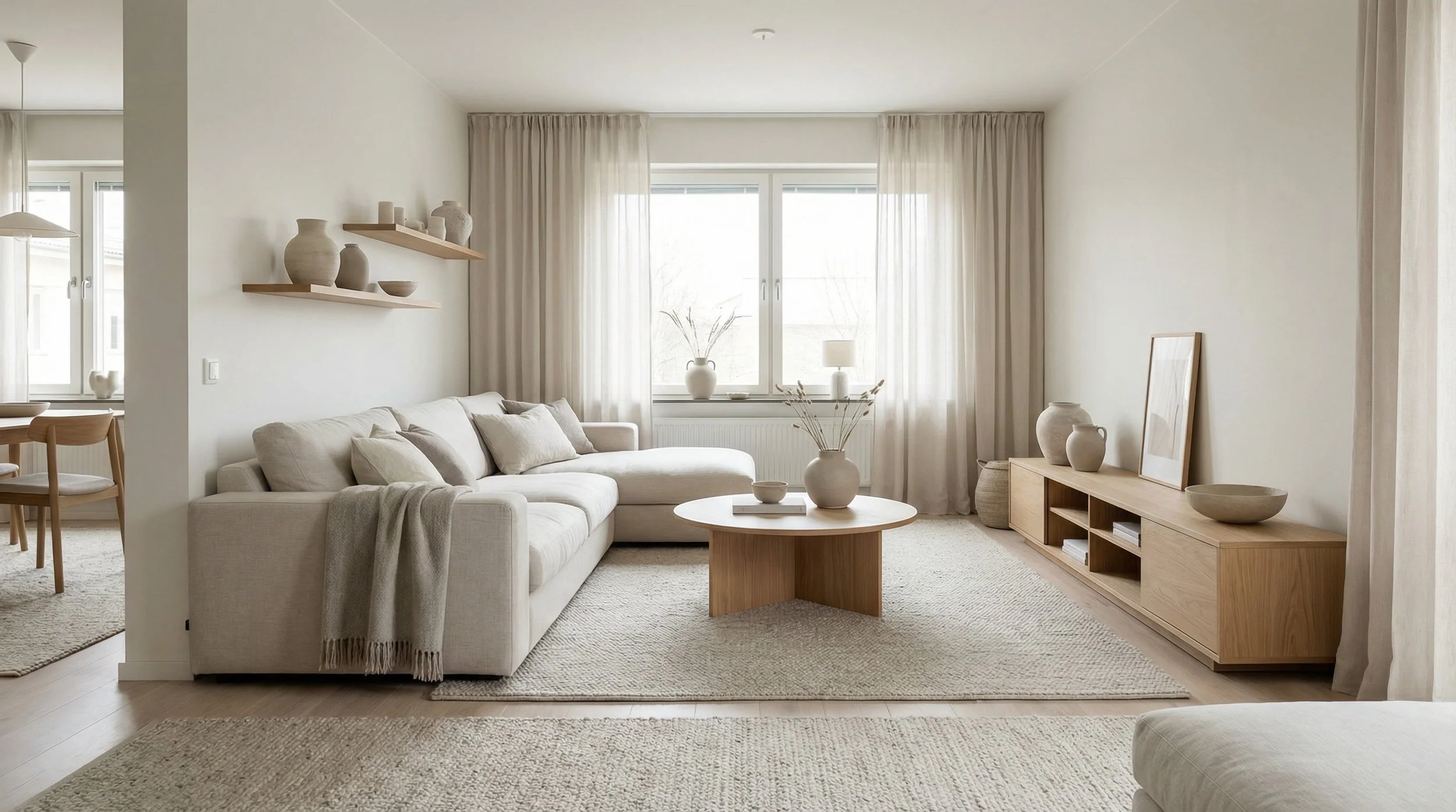
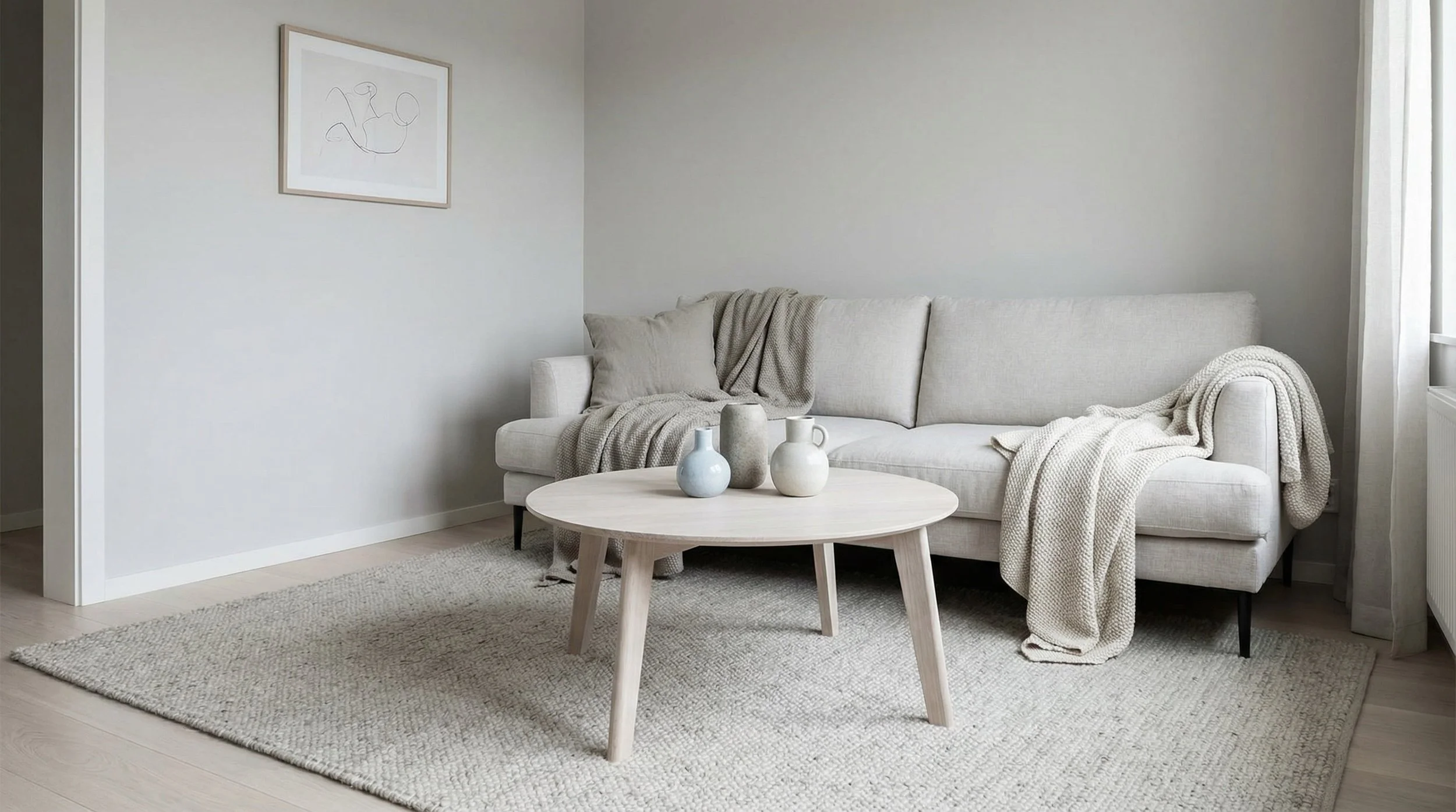
Pure white interiors are becoming less common. In their place, designers are working with layered neutral palettes that create depth while maintaining visual simplicity.
Common base colors include:
Cream, ivory, and ecru
Sand, oat, and warm beige
Mushroom, greige, and soft taupe
Accent tones are subtle and restrained:
Muted olive or sage
Espresso or cocoa brown
Soft charcoal
Contrast is gentle. The goal is cohesion rather than dramatic contrast.



Texture Becomes the Primary Design Element
With fewer decorative objects, material texture plays a central role in minimalist interiors.
Instead of relying on artwork or accessories, interest is created through:
Plaster or limewash wall finishes
Linen, bouclé, and wool upholstery
Natural stone and wood surfaces
Matte, low-sheen finishes
Texture provides visual depth without adding clutter, allowing rooms to feel layered while remaining simple.

Furniture: Reduced Quantity, Softer Forms
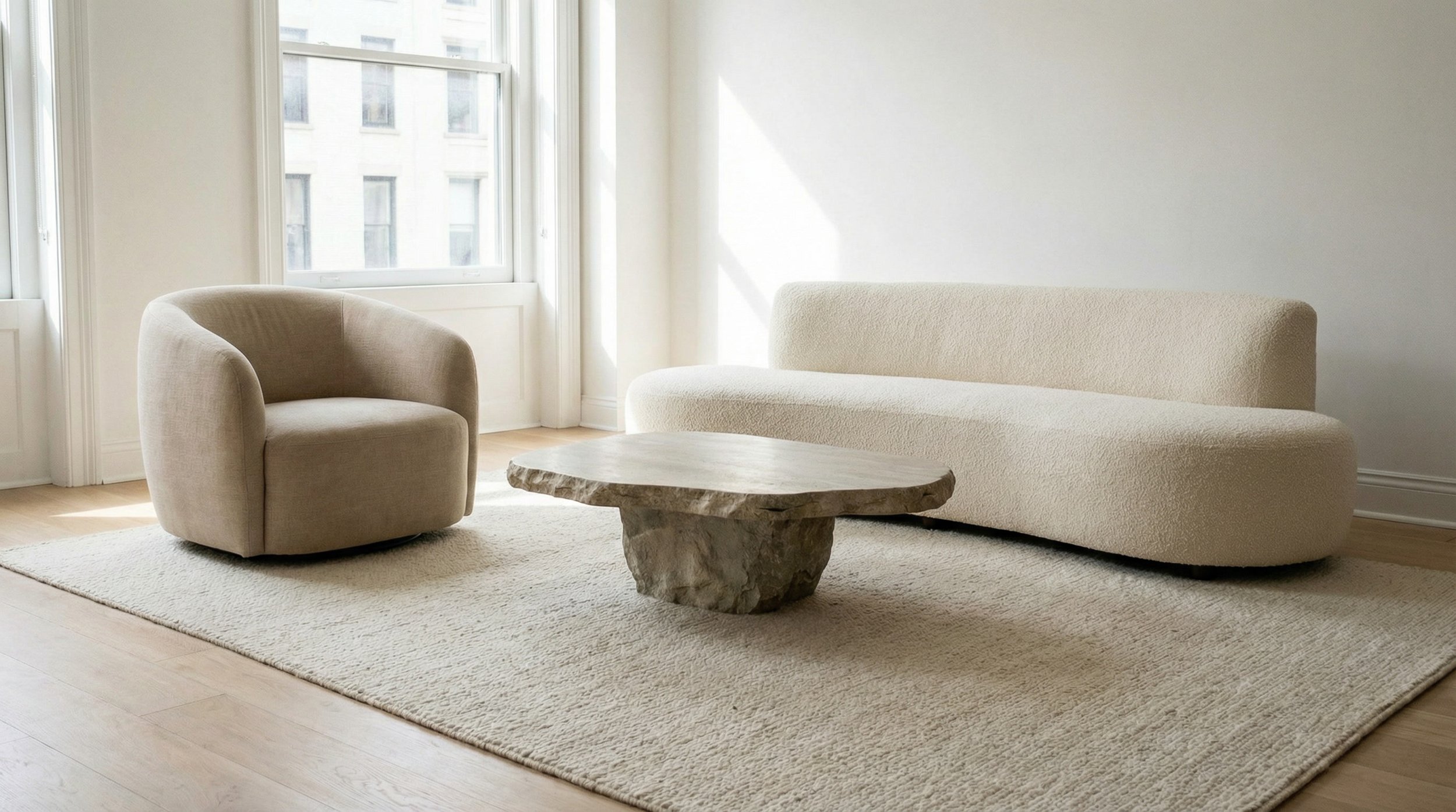
Furniture design within minimalism is moving away from rigid lines and sharp angles. In 2026, forms are lower, softer, and more sculptural.
Key characteristics include:
Rounded edges and curved silhouettes
Low seating with grounded proportions
Upholstered comfort over hard surfaces
Solid, substantial materials
Rooms typically feature fewer pieces, but each one is chosen for long-term use rather than trend value.


Material Choices Focus on Longevity
Minimalism in 2026 places strong emphasis on materials that age well. Highly synthetic finishes and glossy surfaces are being replaced by natural, honest materials.
Common choices include:
Solid oak, walnut, or ash
Travertine and natural stone
Matte metal finishes
Handcrafted or slightly imperfect surfaces
The goal is not perfection, but durability and character over time.

Objects Are Intentional, Not Decorative
Minimalist interiors still contain objects, but they are selected carefully and kept to a minimum.
Typical examples include:
A single ceramic vase
A small stack of frequently used books
One sculptural or functional object
Items are not used to fill space. Each object must serve a purpose or hold meaning.

Minimalism as a Practical Lifestyle Choice
In 2026, minimalism extends beyond aesthetics. It reflects broader lifestyle values:
Reduced consumption
Thoughtful purchasing
Easier maintenance
Less visual and mental clutter
Homes are designed to feel calm and manageable, supporting daily routines rather than creating additional demands.
Minimalism is no longer about making a statement. It is about creating an environment that is easy to live in.


Summary: Minimalism in 2026
Minimalism today is defined by:
Warm neutral palettes
Textural materials
Fewer, better-quality furnishings
Functional layouts
Intentional object selection
It is calm without being empty, refined without feeling rigid, and designed for long-term living rather than visual impact alone.
