
What to Buy Once and Keep for Years
In a culture built on constant upgrades, buying something once and keeping it for years has become rare. Most purchases today are made quickly, replaced often, and managed continuously. Over time, this creates clutter, decision fatigue, and repeated spending without a sense of completion.
This article focuses on strategic ownership — identifying the categories where buying fewer, better items improves daily life and reduces the need for constant replacement. The goal is not minimalism, but stability: owning items that perform reliably, integrate easily, and remain relevant over time.
1. Outerwear That Anchors Your Wardrobe
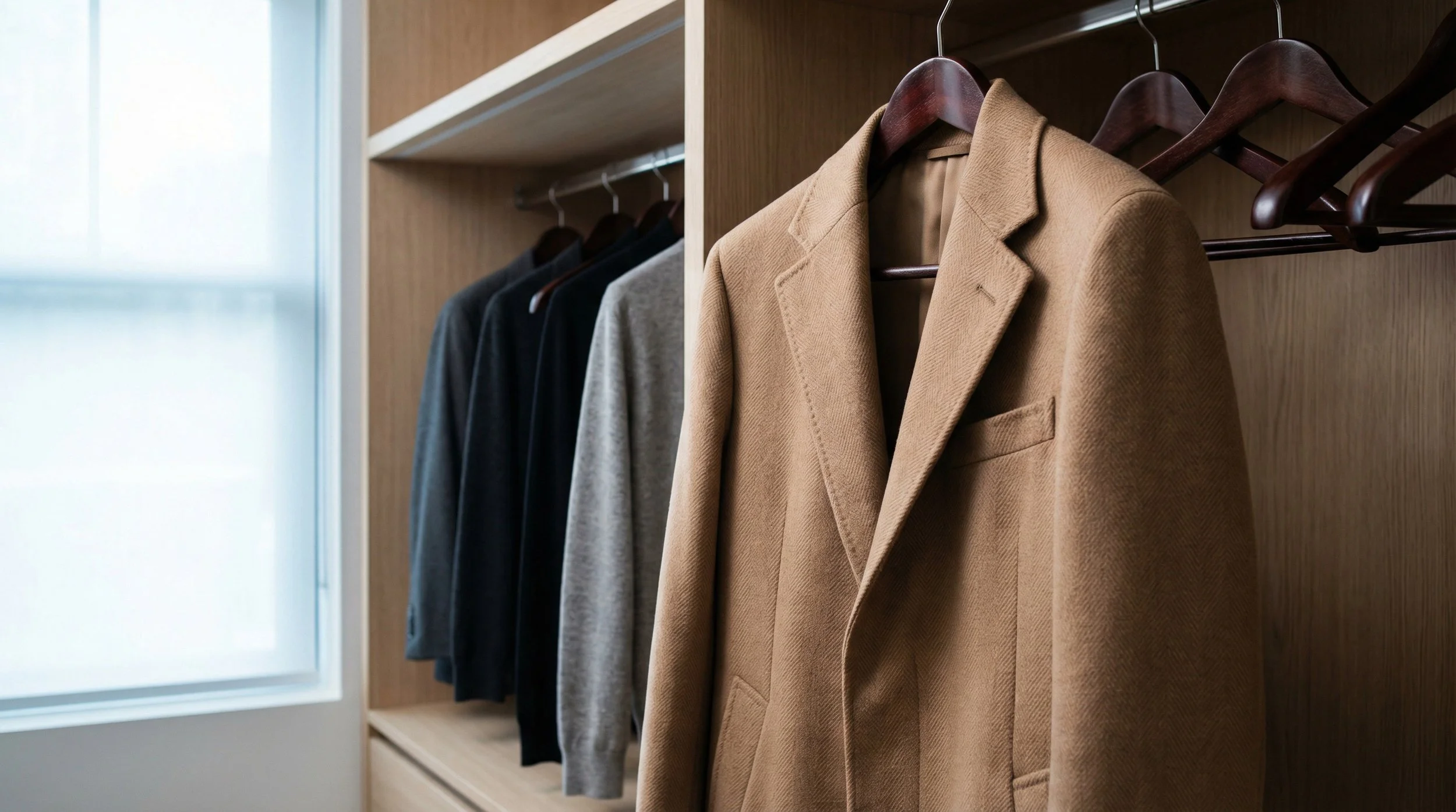
Outerwear is one of the clearest examples of where buying once makes sense. A well-chosen coat is worn frequently, visible daily, and difficult to replace casually.
What makes outerwear worth keeping:
classic silhouette rather than trend-driven shape
neutral or flexible color
appropriate warmth for your real climate
quality lining and construction
A single reliable coat reduces the urge to buy seasonal alternatives and quickly lowers cost per wear.
2. Everyday Shoes You Actually Wear
Shoes are often overpurchased because many pairs are uncomfortable, impractical, or poorly constructed.
Shoes worth buying once:
leather loafers or flats
simple ankle boots with stable heels
understated everyday sneakers
Key criteria:
comfort within the first few wears
neutral color that works across outfits
construction that allows repair
Owning fewer, better shoes reduces clutter and daily decision-making.

3. Core Wardrobe Pieces
Most wardrobes feel overwhelming not because they lack options, but because they lack reliable foundations.
Items worth keeping for years:
tailored trousers in a neutral color
high-quality knitwear
classic button-down shirts
well-fitting jeans in a timeless cut
These pieces work across seasons and trends, allowing trend items to rotate without destabilizing the wardrobe.

4. Bags Designed for Function
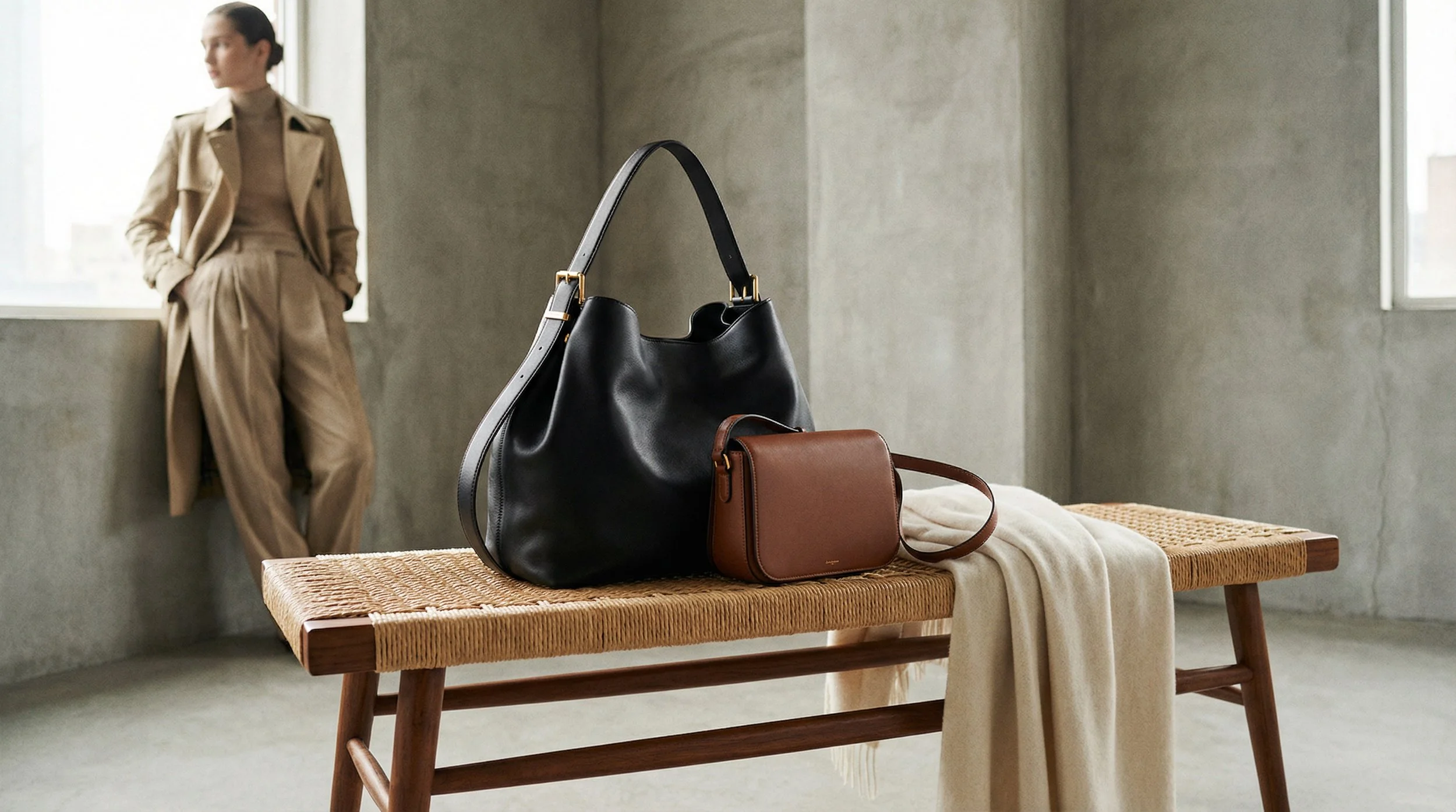
Bags are often replaced due to impractical size, weak structure, or trend-driven shapes.
A bag worth keeping should:
fit daily essentials comfortably
have secure closures
be made from durable materials
work across seasons and outfits
Most people benefit from fewer bags with clearly defined roles.
5. Furniture That Solves a Daily Need
Furniture is expensive to replace and should never be chosen impulsively.
Pieces worth buying once:
sofas with solid frames and neutral upholstery
dining tables in durable wood or stone
beds and mattresses chosen for comfort over aesthetics
Longevity comes from classic proportions, adaptable finishes, and materials that age well.

6. Kitchen Tools You Reach for Daily
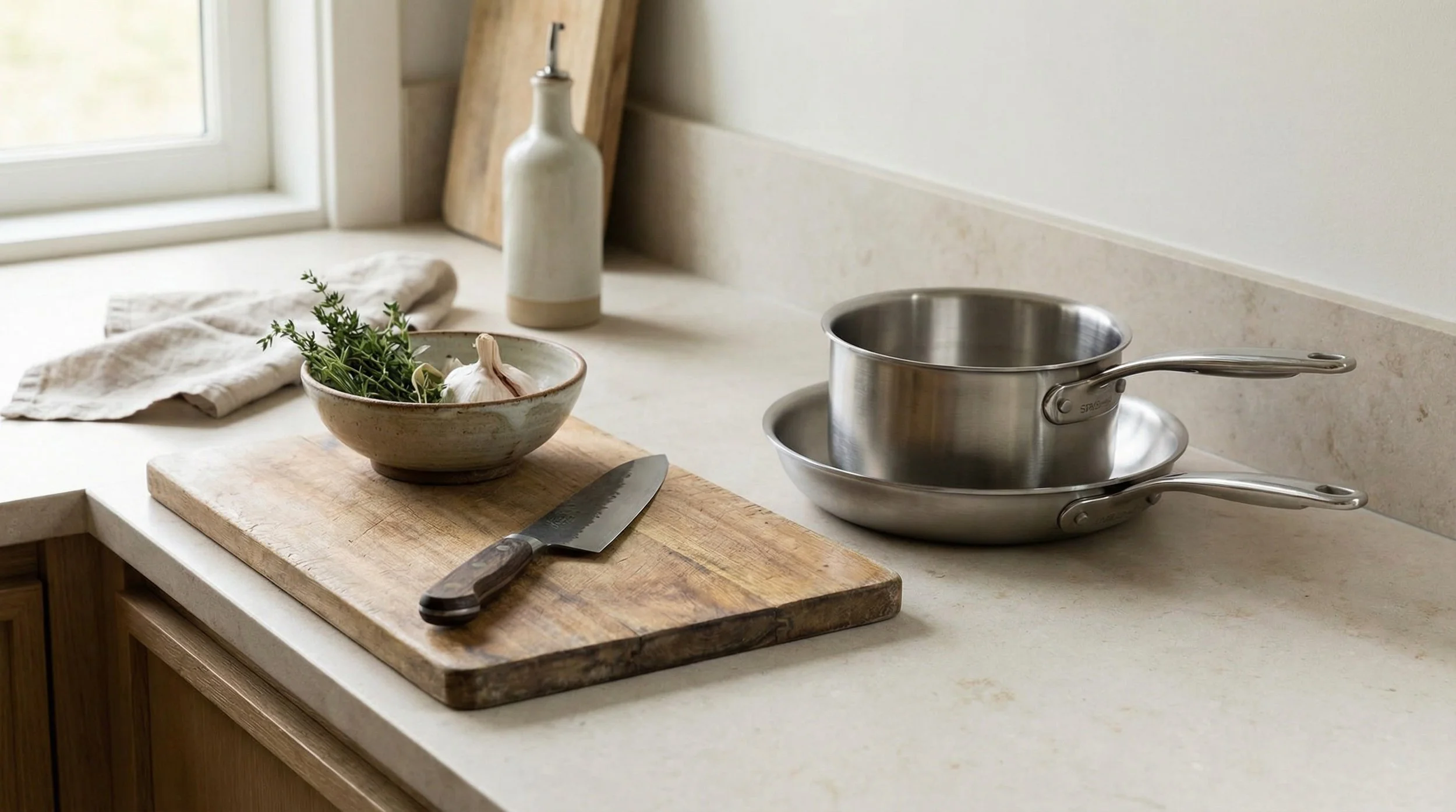
Kitchens often accumulate clutter from single-use tools bought for rare situations.
Items worth buying once:
a high-quality chef’s knife
solid cutting boards
durable cookware (stainless steel or cast iron)
simple ceramic dishes
These tools improve everyday cooking and eliminate the need for repeated replacements.
7. Bedding and Textiles
Textiles affect comfort and sleep quality and should not be treated as disposable.
Worth buying once:
natural-fiber sheets
supportive pillows suited to your sleep position
durable throws and blankets
Neutral colors extend visual longevity and reduce replacement cycles.

8. Personal Care Tools
In personal care, tools matter more than products.
Items worth keeping:
quality hair tools
simple grooming tools
refillable containers
Reliable tools often reduce overall product consumption and dissatisfaction.

9. Work and Daily-Use Items
Daily tools should never be an afterthought.
Worth buying once:
ergonomic chair
reliable work bag
consistent planning system
Poor daily tools create friction that leads to unnecessary replacement.

10. Storage That Supports Order
Storage should adapt over time rather than solve one specific moment.
Effective storage:
prioritizes access
remains visually simple
adjusts to changing needs
When storage works, clutter decreases naturally.

What Not to Buy Once
Some items should remain flexible:
trend-driven fashion
experimental hobbies
items tied to temporary life phases
Longevity works best for essentials, not experiments.
How to Decide if Something Is Worth Buying Once
Before purchasing, ask:
Will I use this weekly or daily?
Does it solve a current problem?
Would I buy it again in a year?
Does it fit my real lifestyle today?
Clear answers predict long-term satisfaction.
Final Perspective
Buying once and keeping items for years is not about perfection or restraint. It is about reducing friction.
When core items are reliable, attractive, and functional, the urge to replace them fades. Shopping becomes occasional and intentional rather than constant.
The result is not austerity, but stability — fewer decisions, less clutter, and a home and wardrobe that support everyday life.
