
SMALL APARTMENT ORGANIZATION: HOW TO MAKE LIMITED SPACE FEEL CALM, FUNCTIONAL, AND BEAUTIFUL
There is something deeply satisfying about solving a real problem — especially one that quietly affects people every single day.
Small apartments are one of those problems. They’re not inherently bad. In fact, many of the most beautiful homes in Europe and Scandinavia are compact by design. The issue isn’t the size — it’s how the space is organized, furnished, and expected to function.
I genuinely enjoy solving these kinds of challenges because they’re practical. When organization works in a small apartment, life feels lighter. Mornings are easier. Cleaning takes less time. The space stops fighting you.
This article isn’t about styling tricks that only look good in photos. It’s about how Europeans and Scandinavians organize small apartments so they actually work — and still look calm and intentional.
Why Small Apartments Get Messy Faster Than Large Homes
In a small apartment, there is very little margin for error.
Every surface has a job. Every piece of furniture matters. When one system fails — mail has no place, shoes pile up, clothes don’t land anywhere specific — disorder becomes visible immediately.
The mistake many people make is assuming the solution is more storage. In reality, small apartments don’t need more storage — they need better logic.
European design approaches small spaces differently:
Fewer items, but clearer placement
Closed storage instead of visual clutter
Layouts based on daily movement, not decoration
Organization isn’t an afterthought. It’s built into the space.
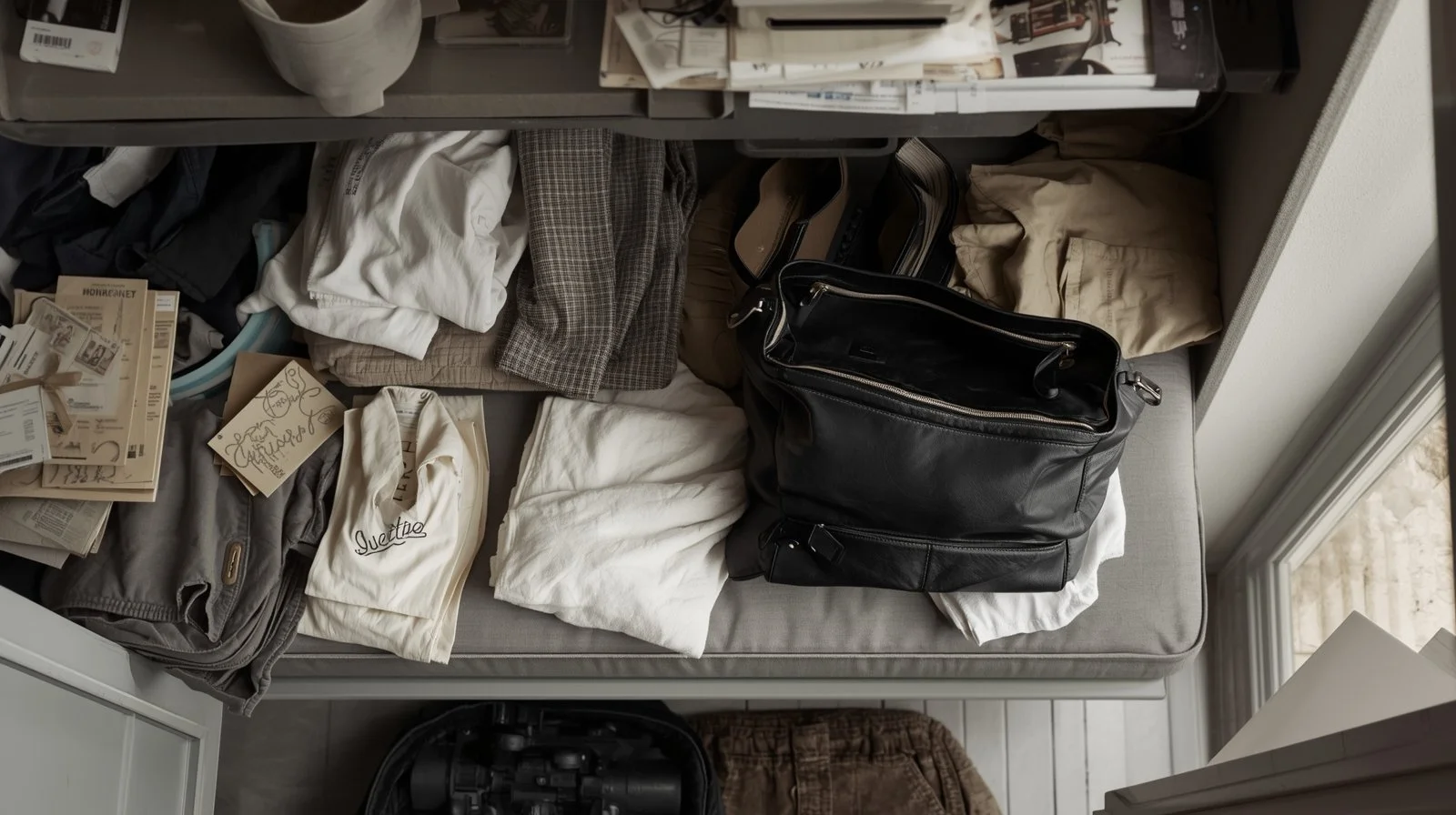
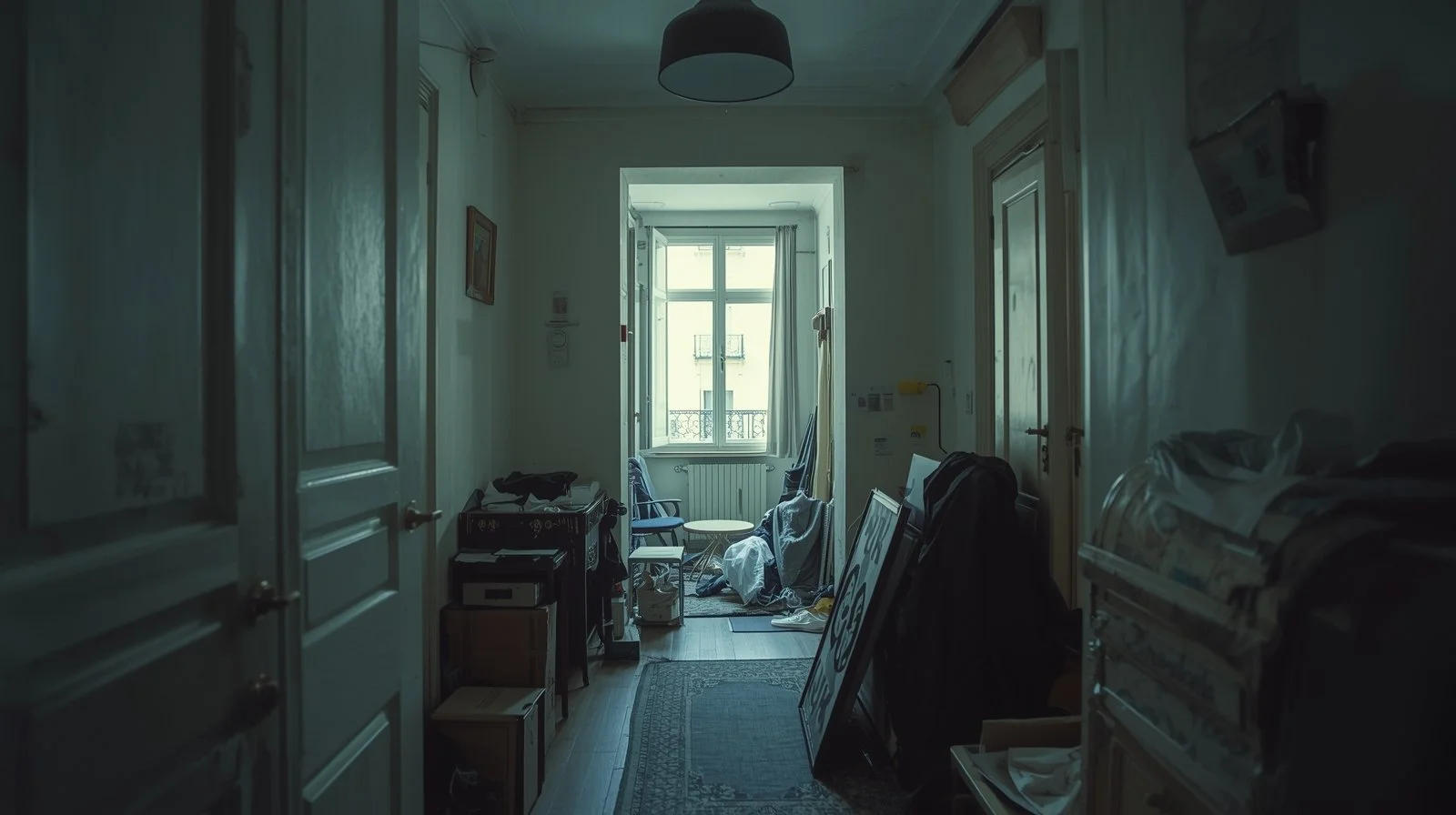


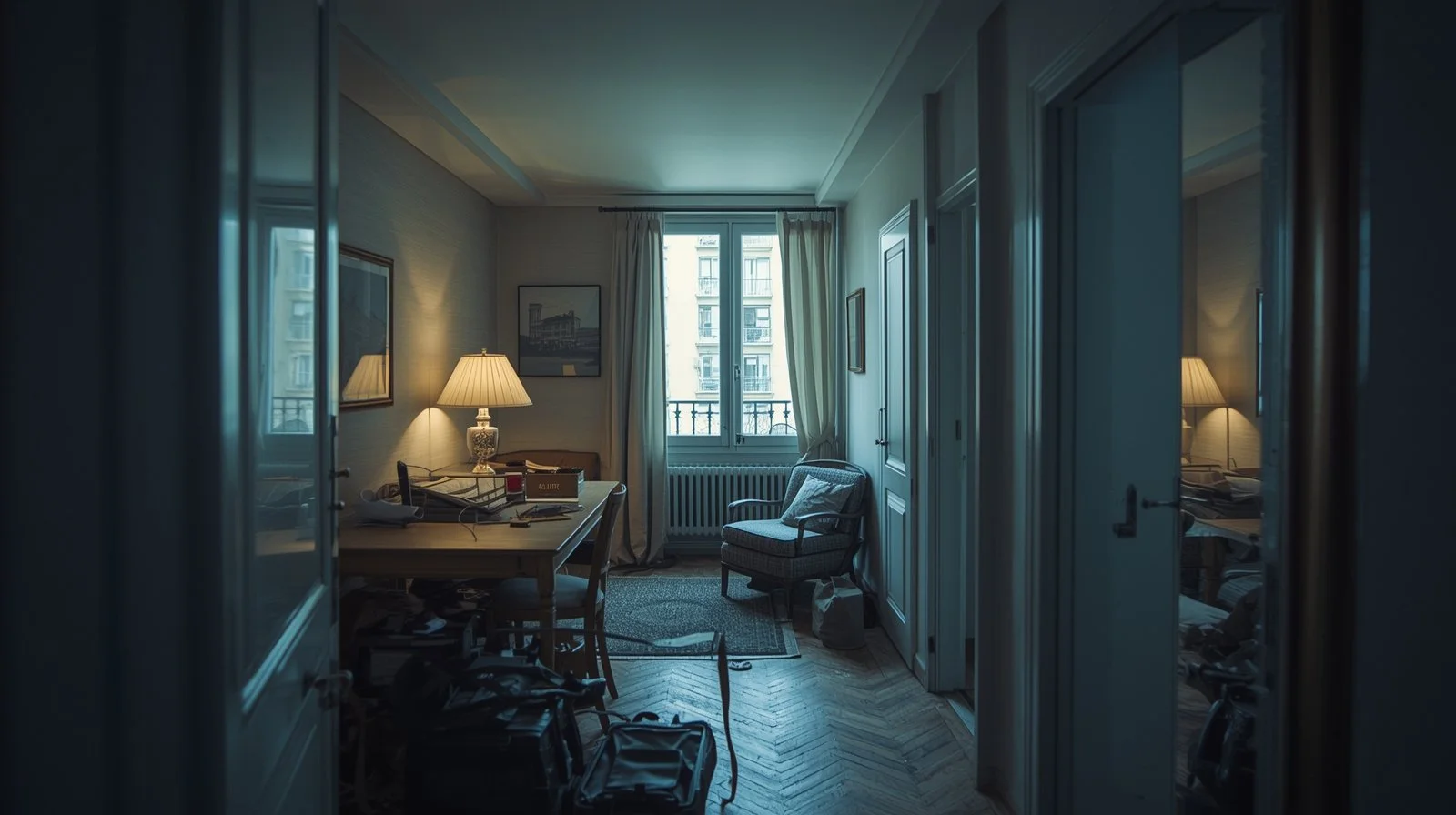
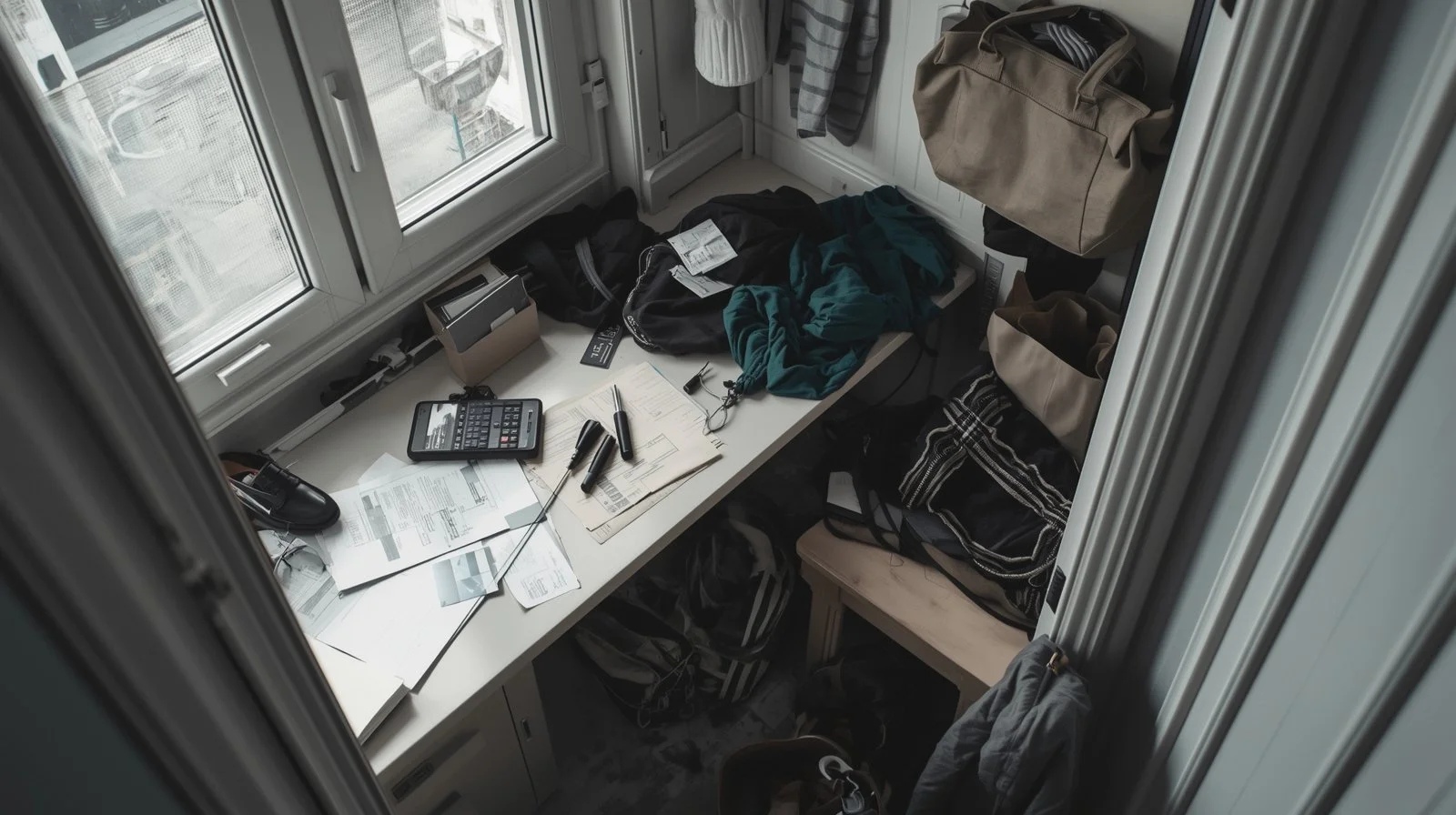
The European Approach: Organization First, Styling Second
In many European homes, especially in cities, apartments are designed around function before decoration. The goal is not to fill space — it’s to keep it usable.
This leads to three core principles:
Everything has a designated place
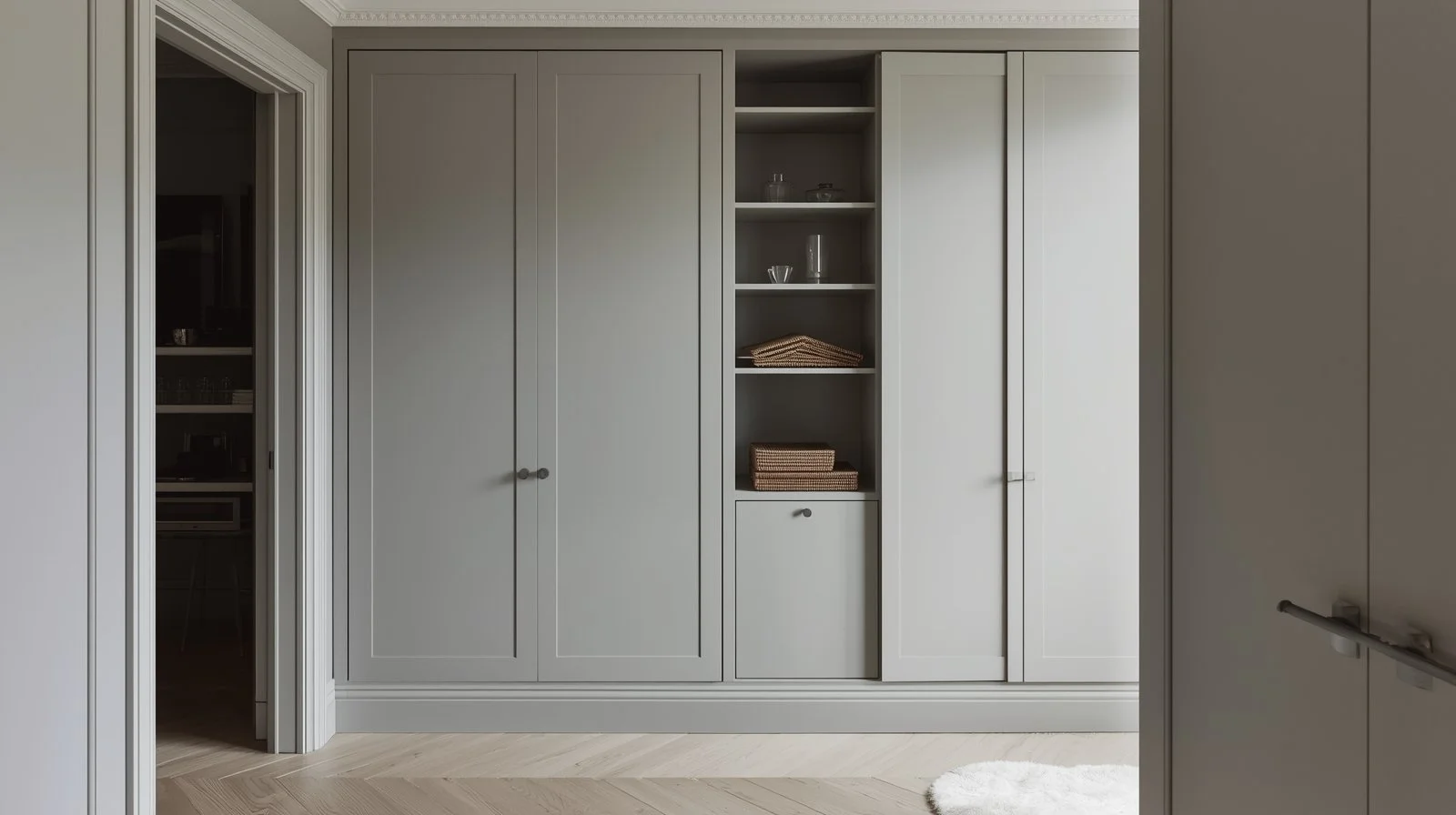
Storage is mostly closed
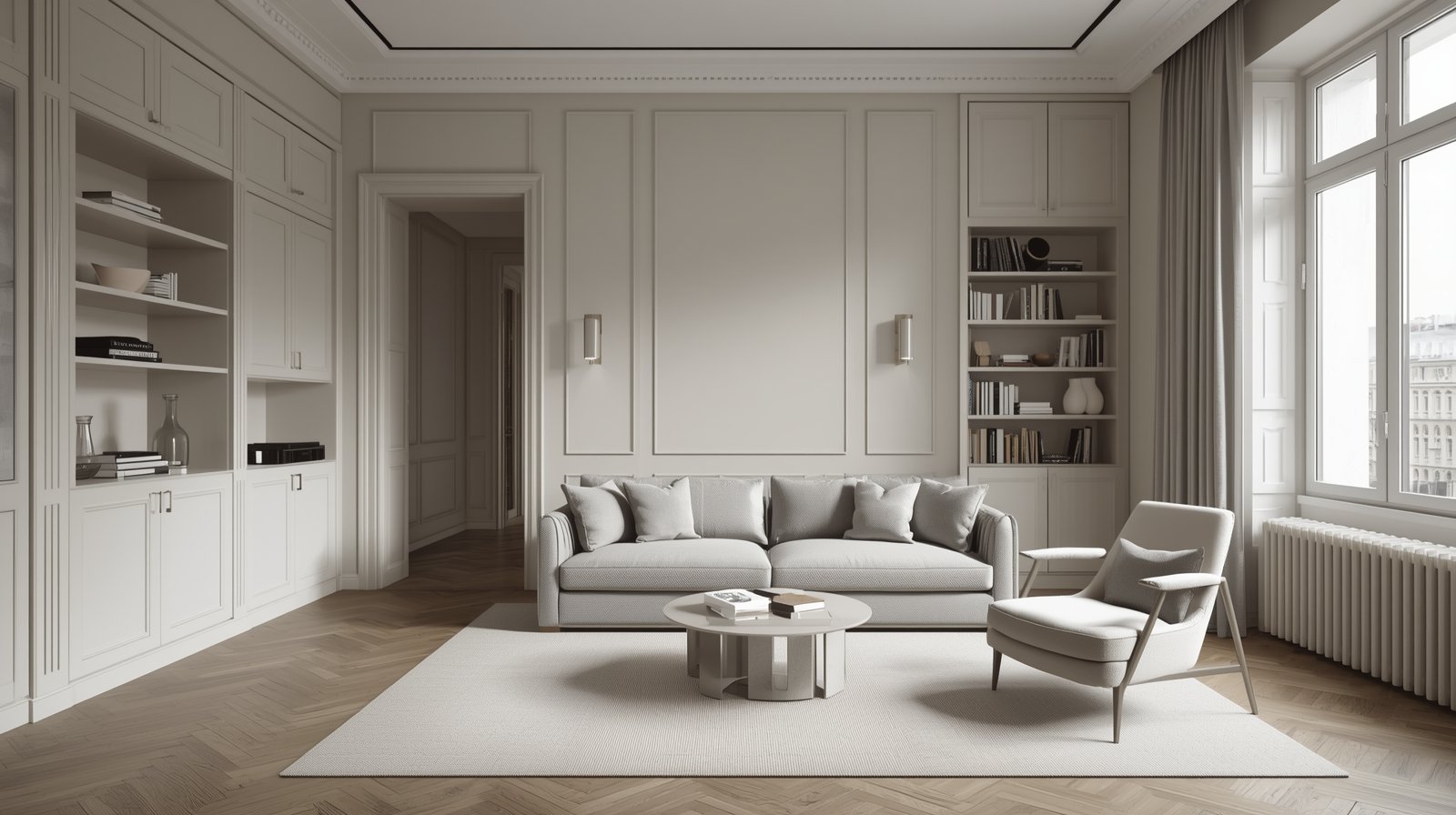
Visual simplicity is prioritized
Instead of asking “How can I decorate this corner?”, the question is “What does this area need to support daily life?”
When organization is solved first, styling becomes effortless.





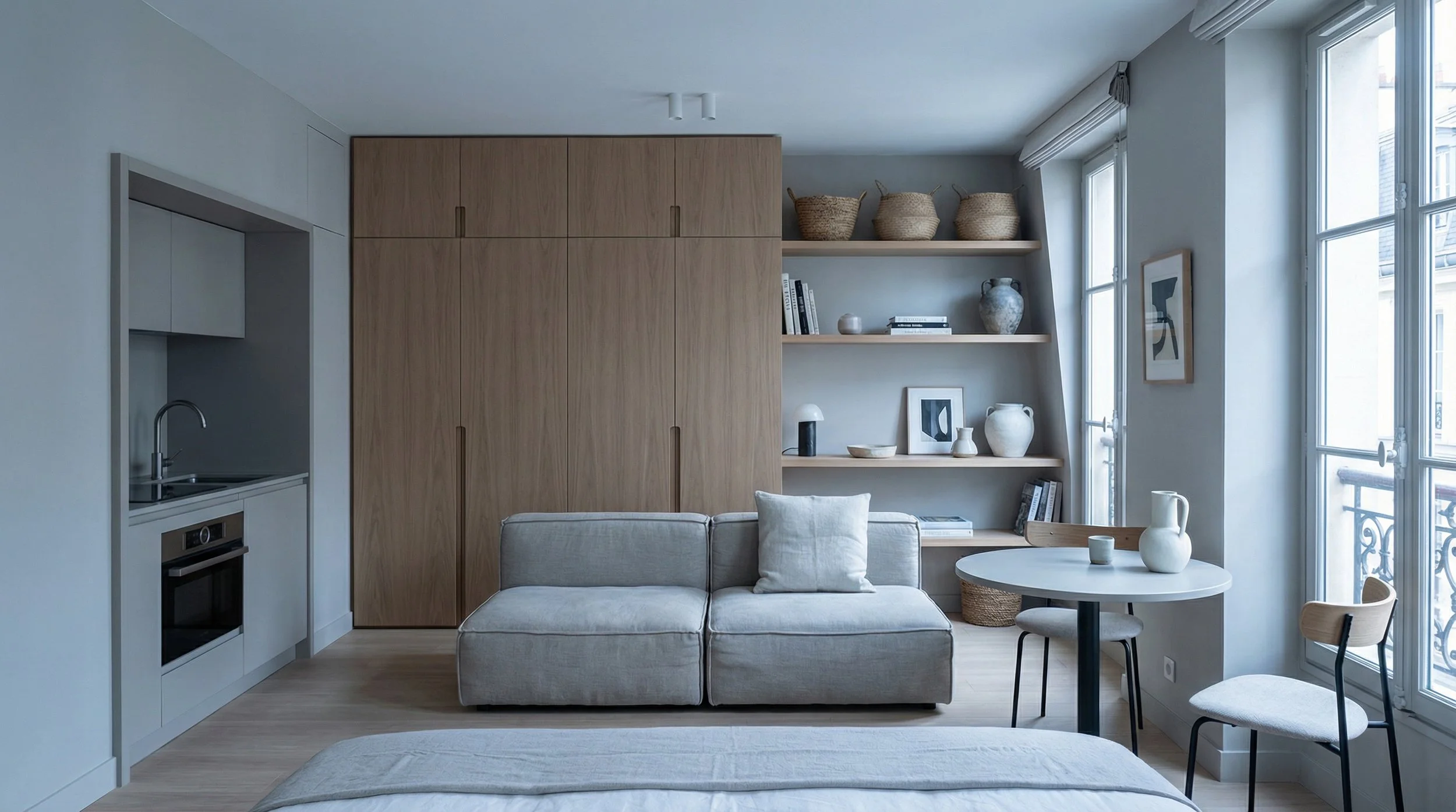
Scandinavian Small-Space Logic: Light, Flow, and Visual Calm
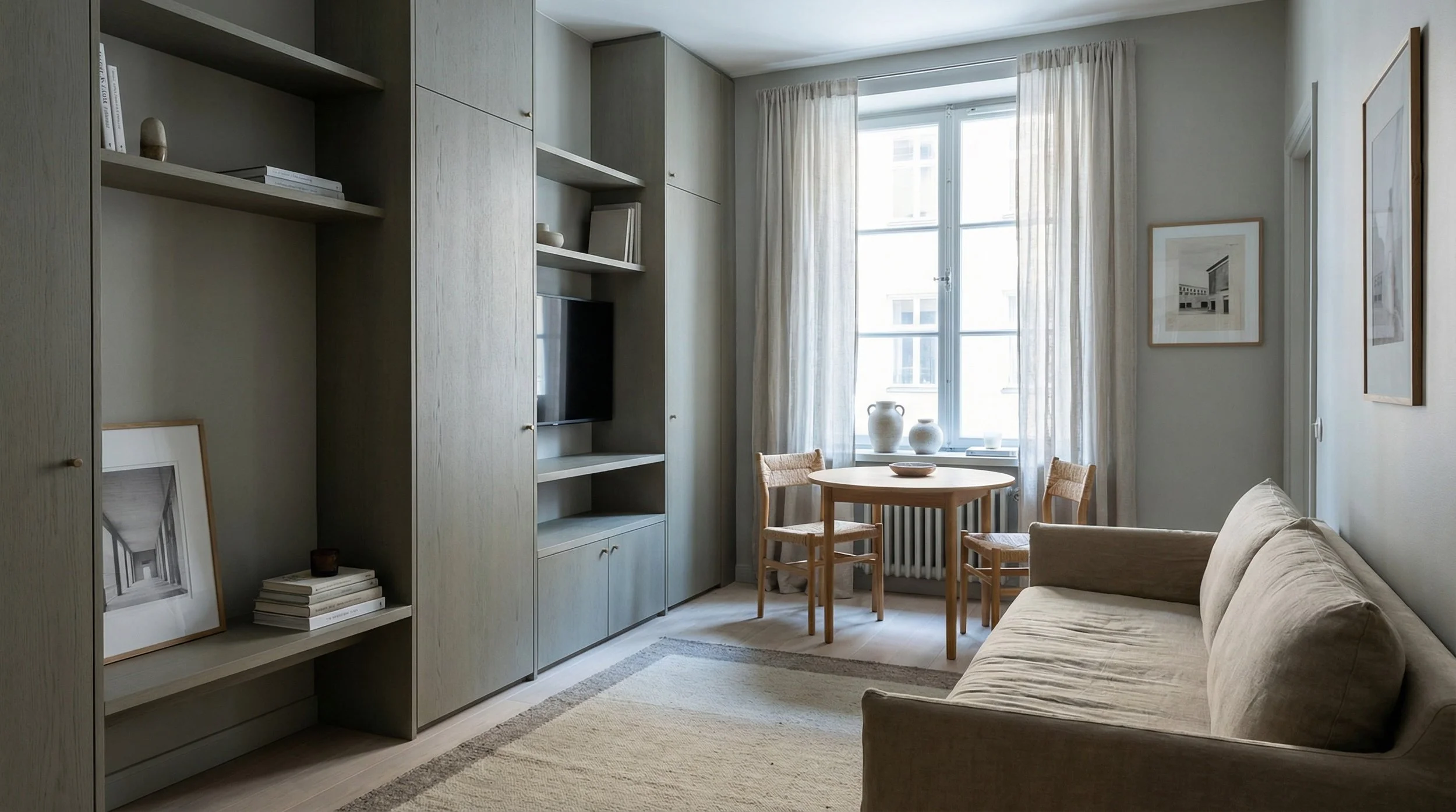
Scandinavian interiors are especially effective in small apartments because they are built around light and restraint.
Rather than dividing space aggressively, Scandinavian homes rely on:
Visual continuity
Consistent materials
Clear floor space
Minimal contrast
This creates a sense of openness even when square footage is limited.
Key organizational habits include:
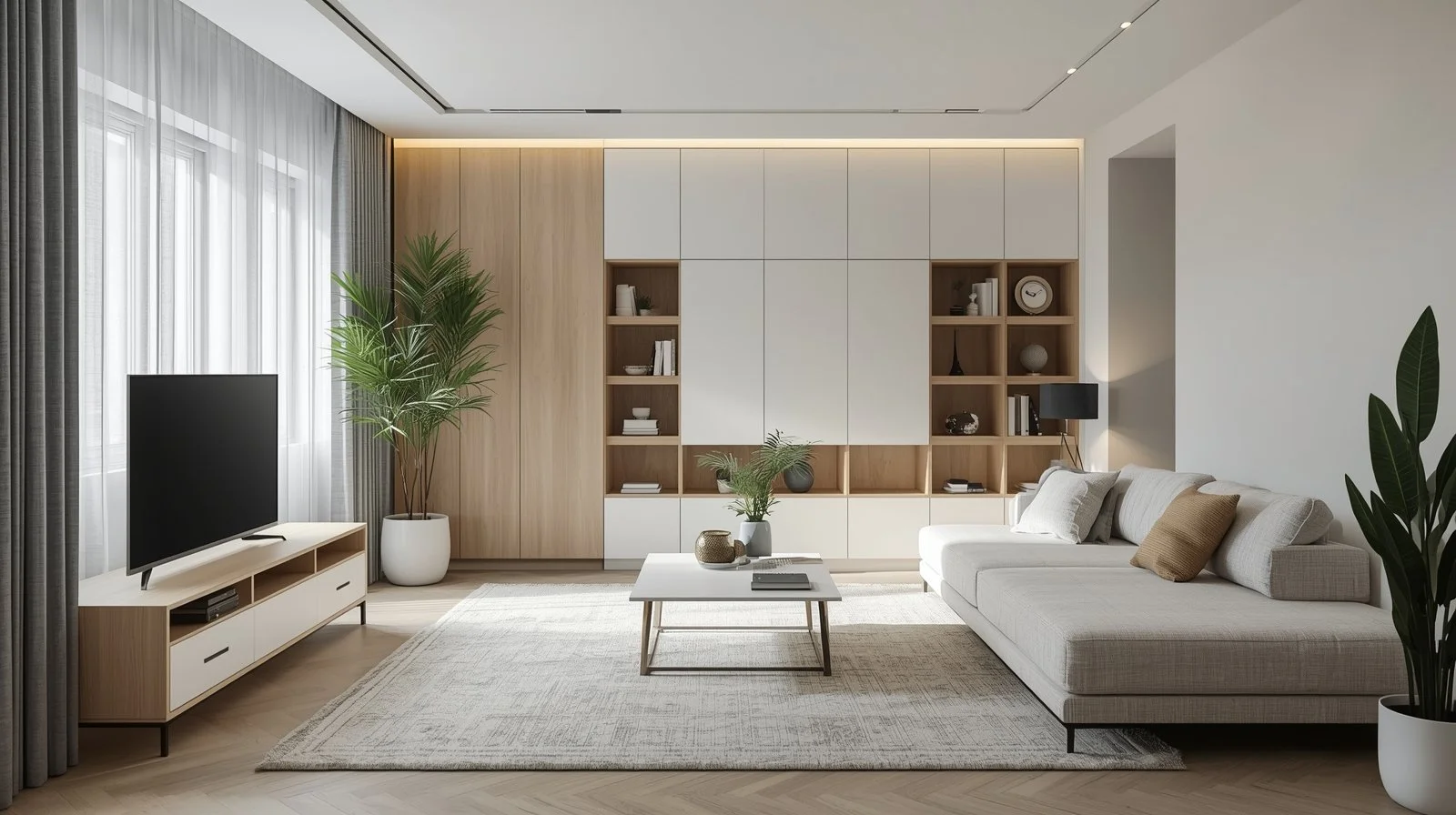
Keeping floors as clear as possible
Using wall-mounted or raised furniture
Limiting open shelving
The space feels calm because nothing competes for attention.


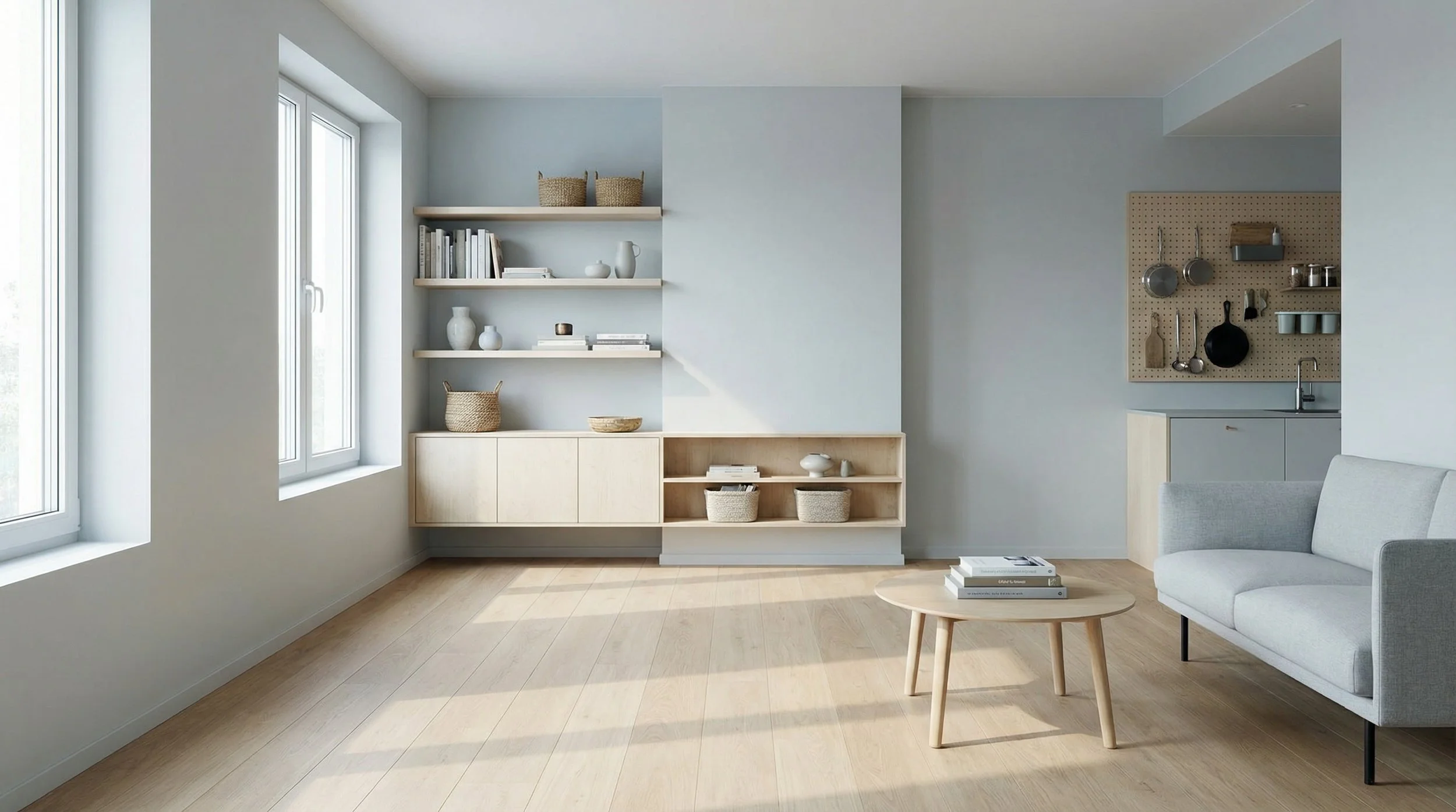

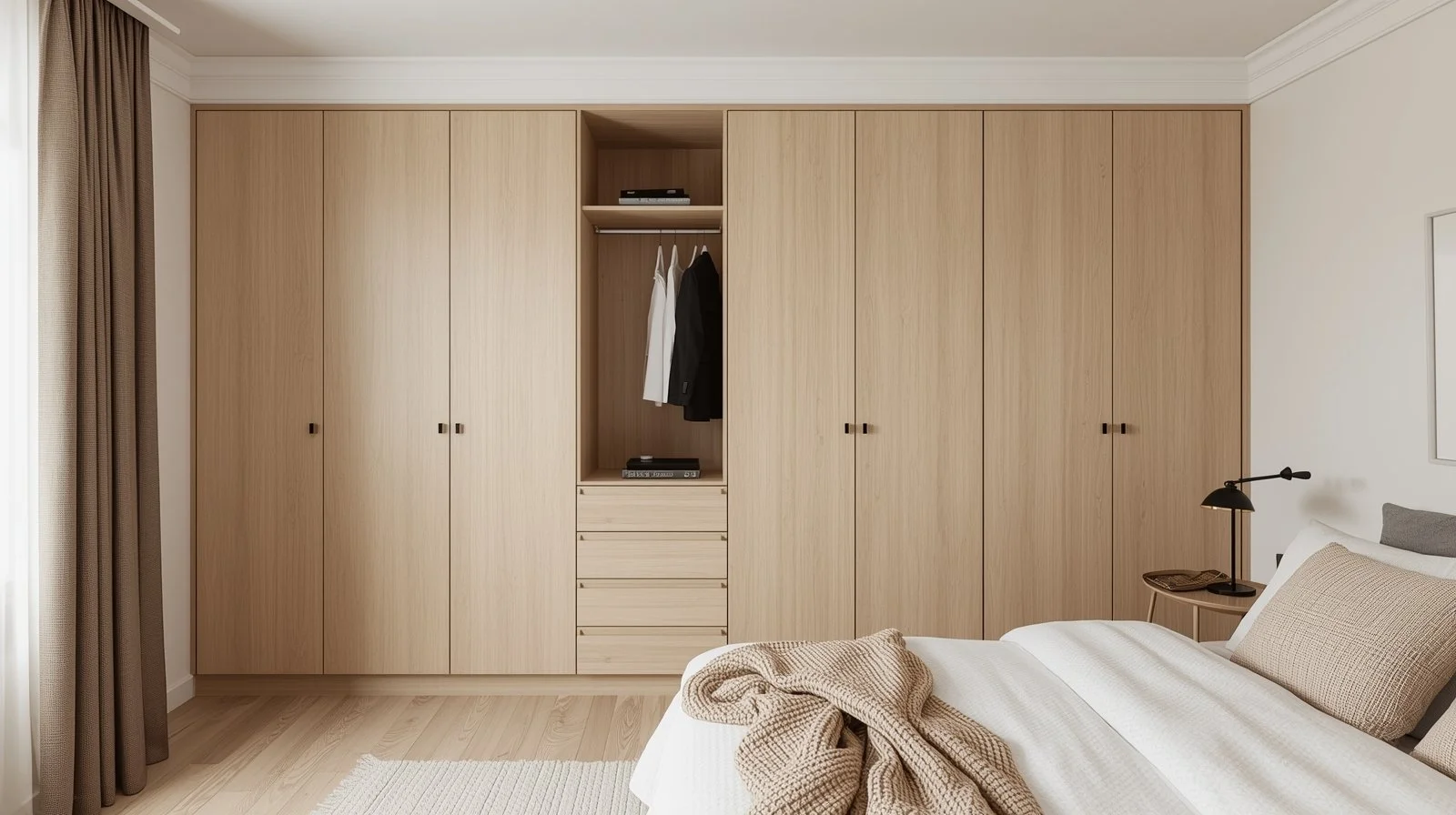
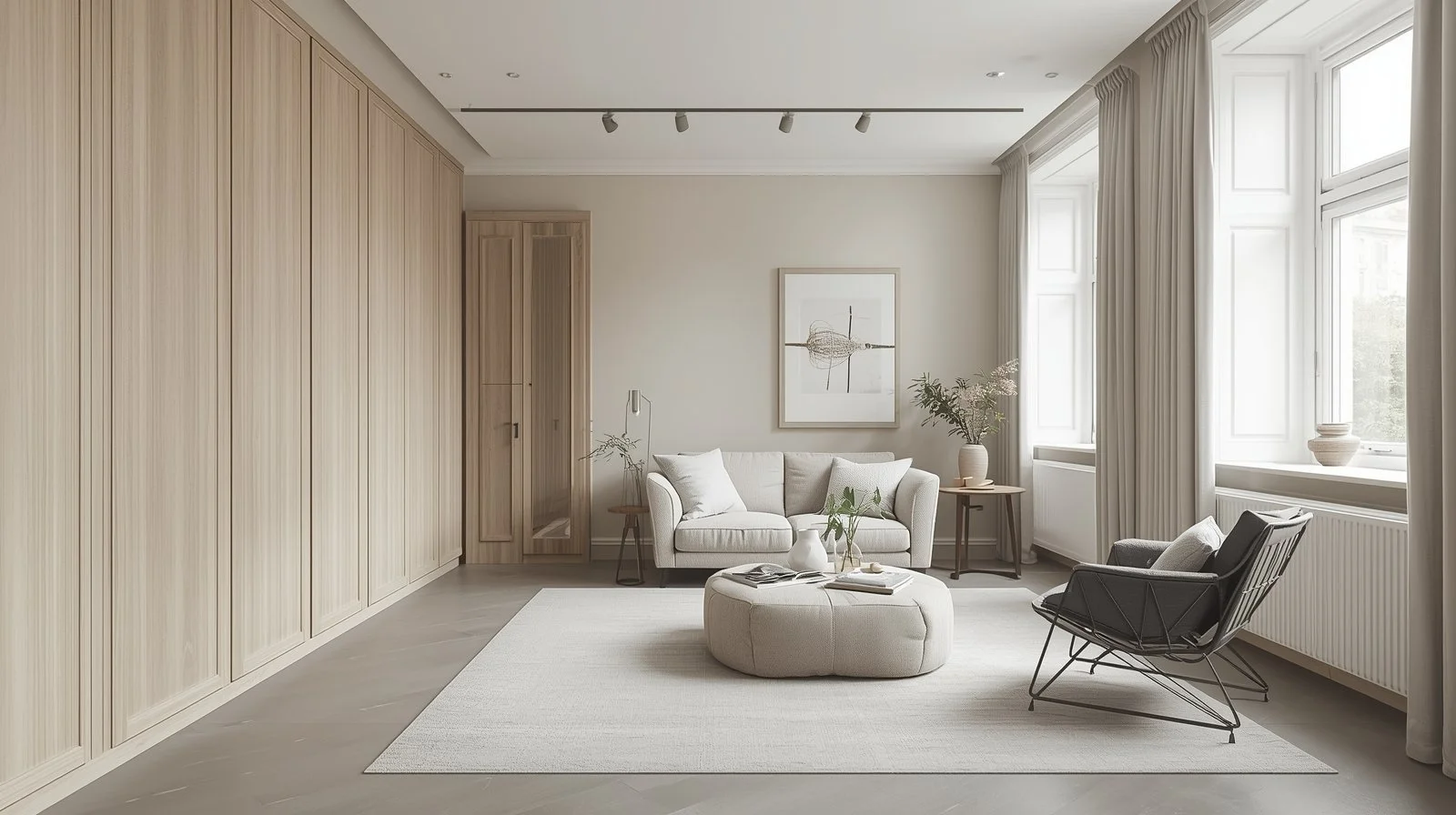
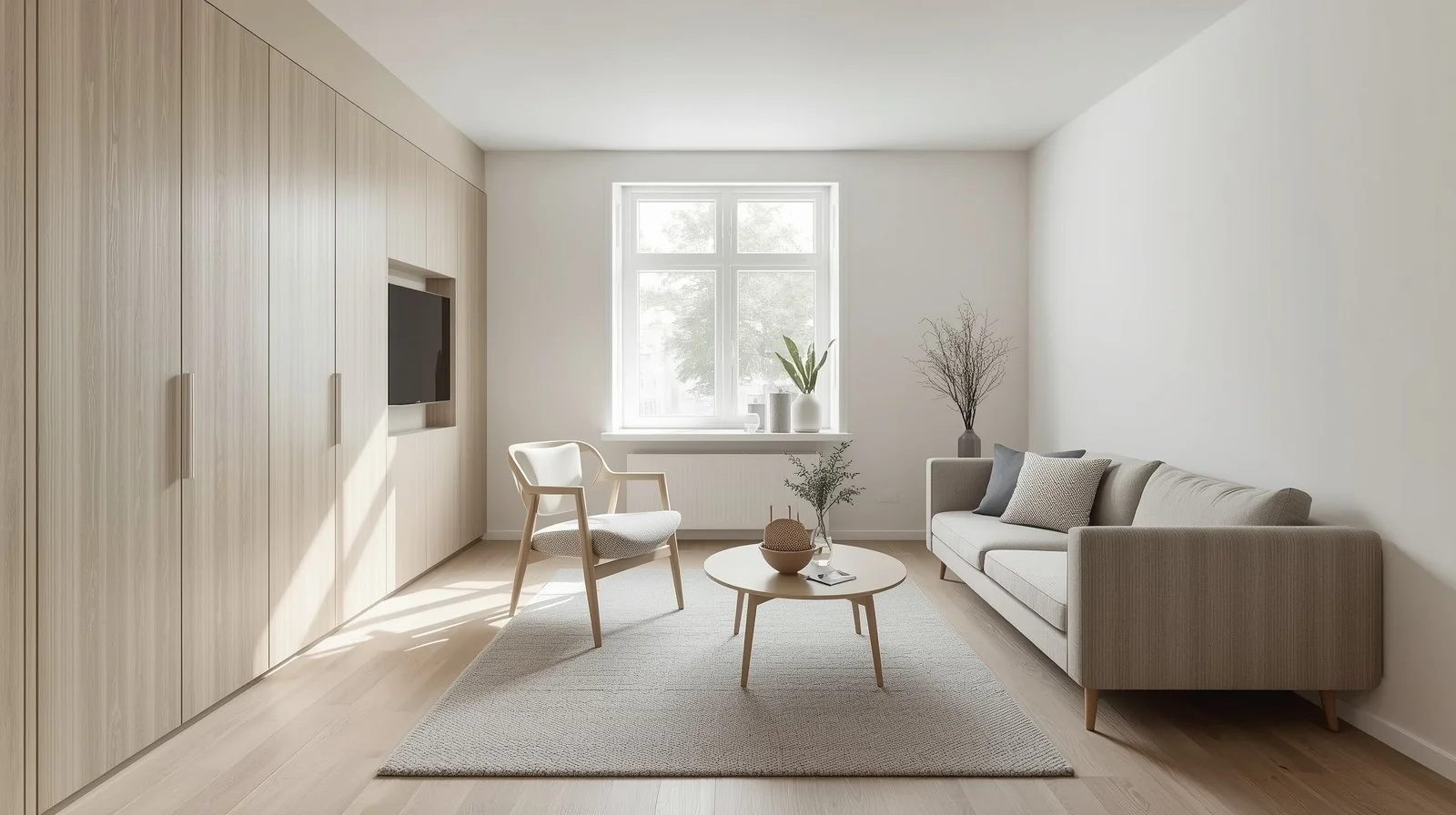

Furniture That Organizes Without Looking Like Storage
In small apartments, furniture must earn its place.
European and Scandinavian interiors favor multi-functional pieces that don’t visually dominate the room.
Effective choices include:
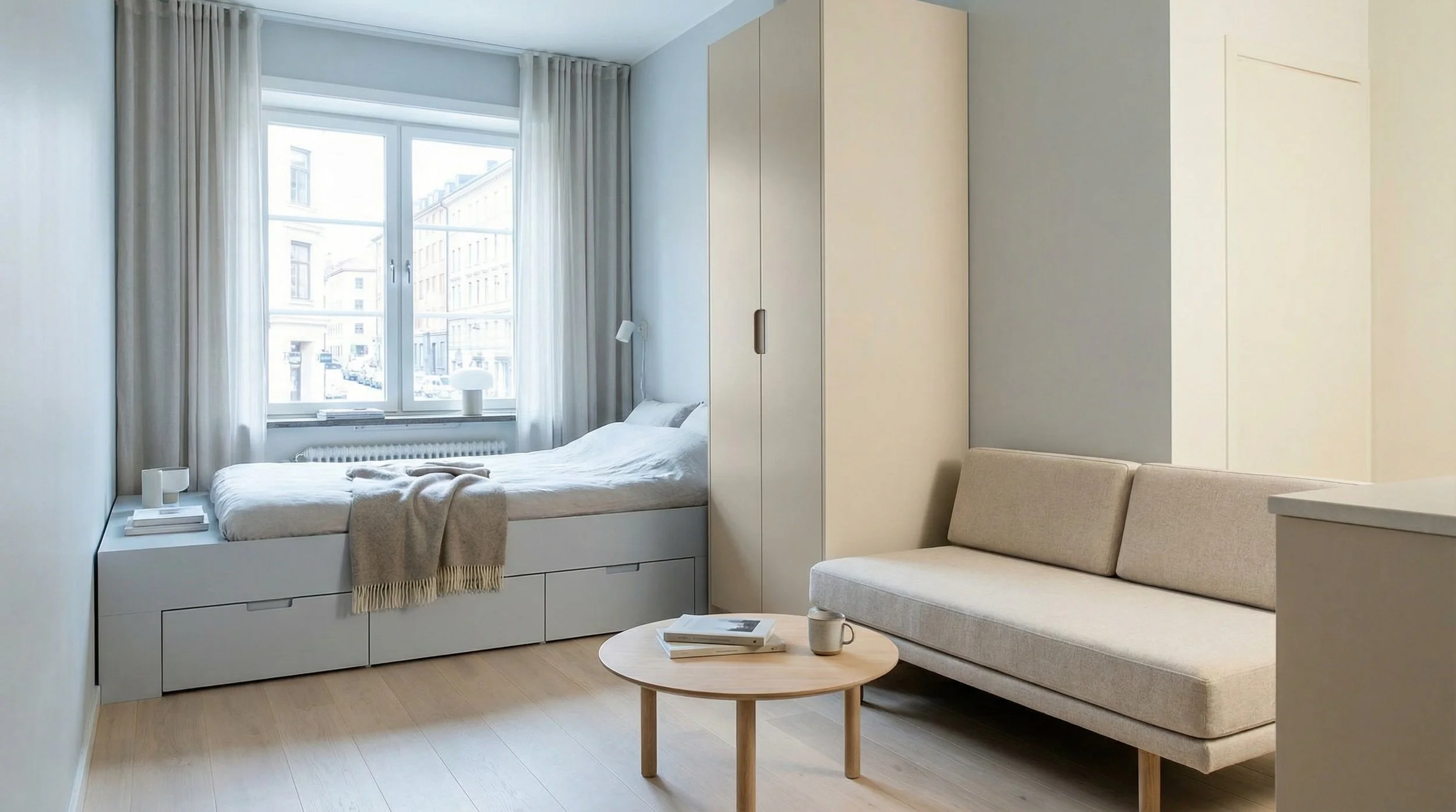
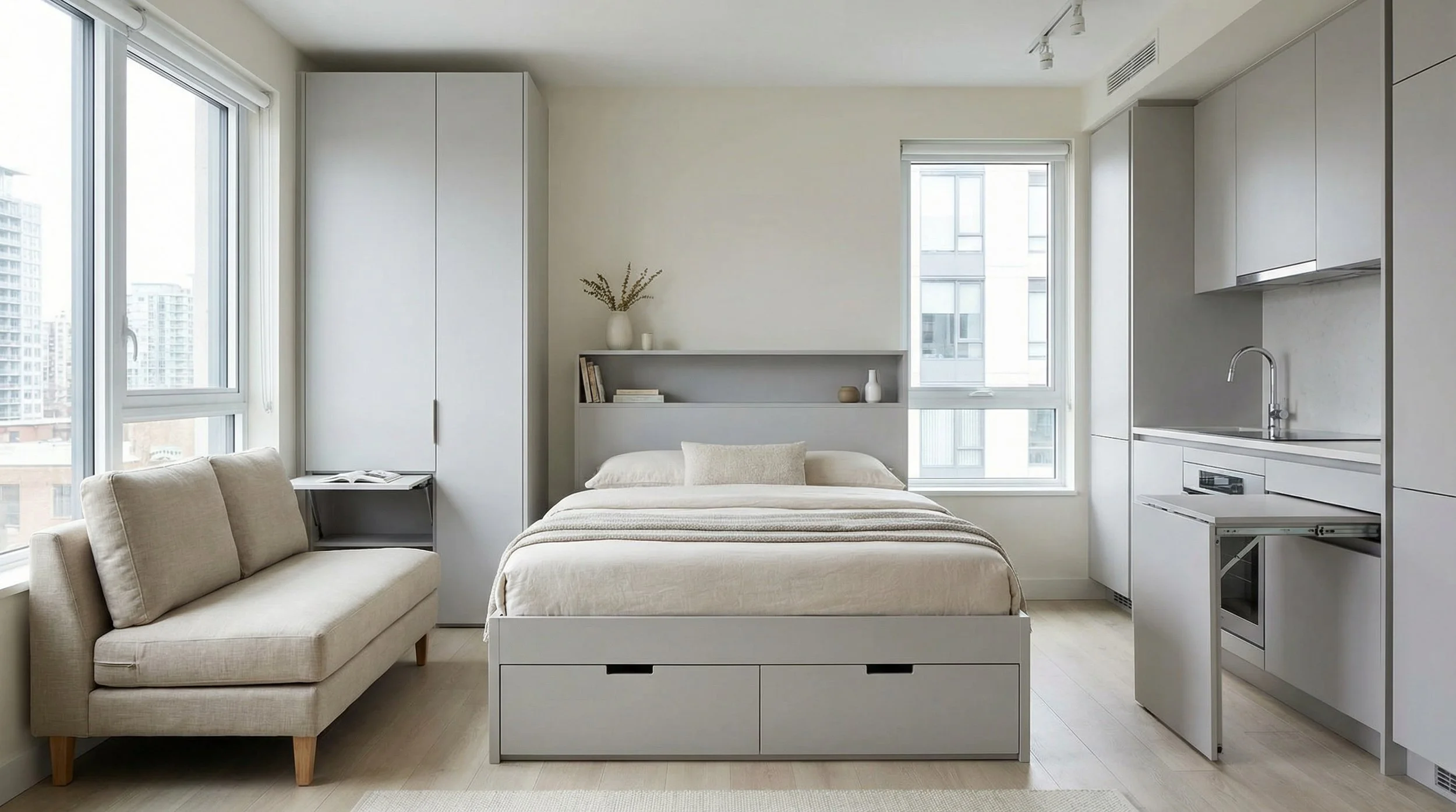
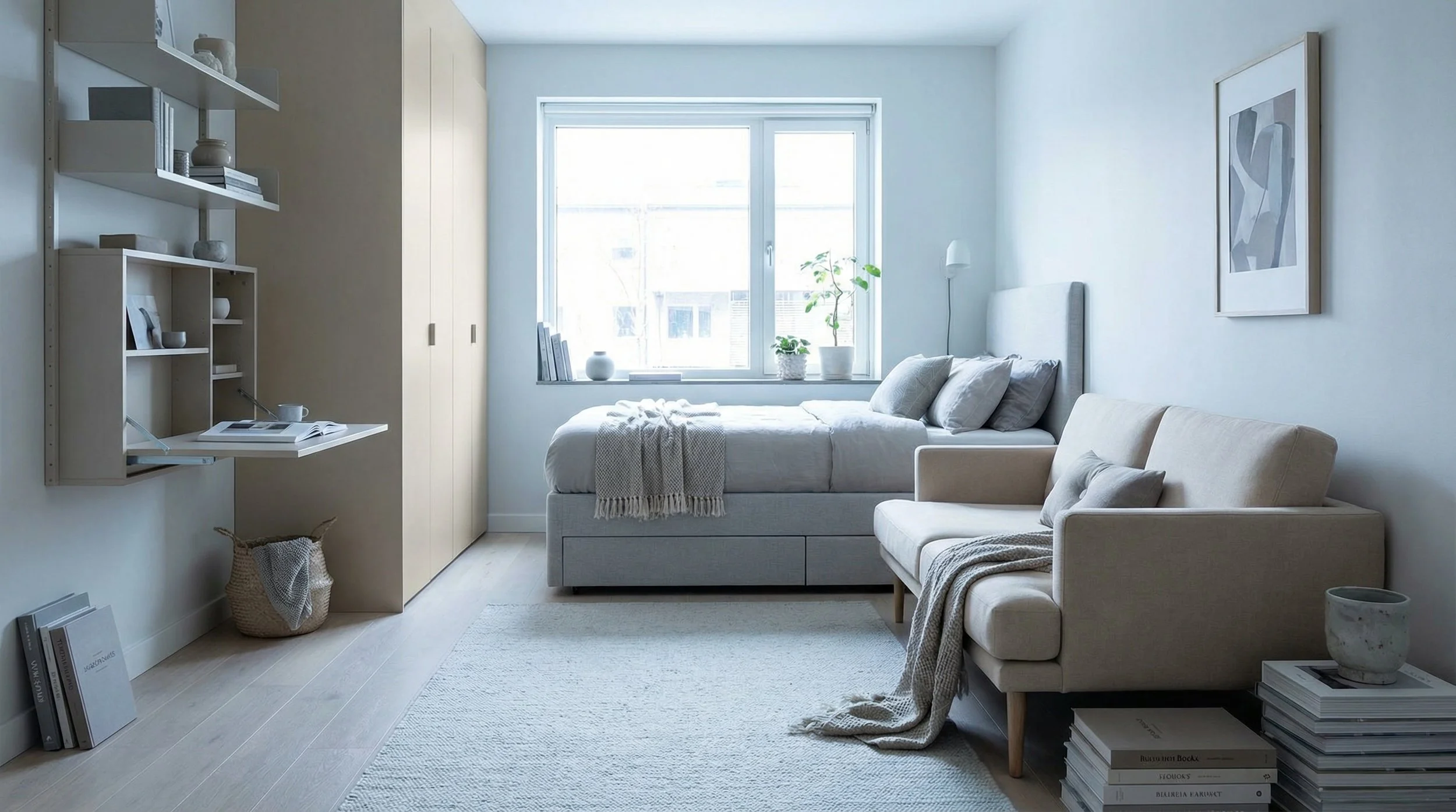
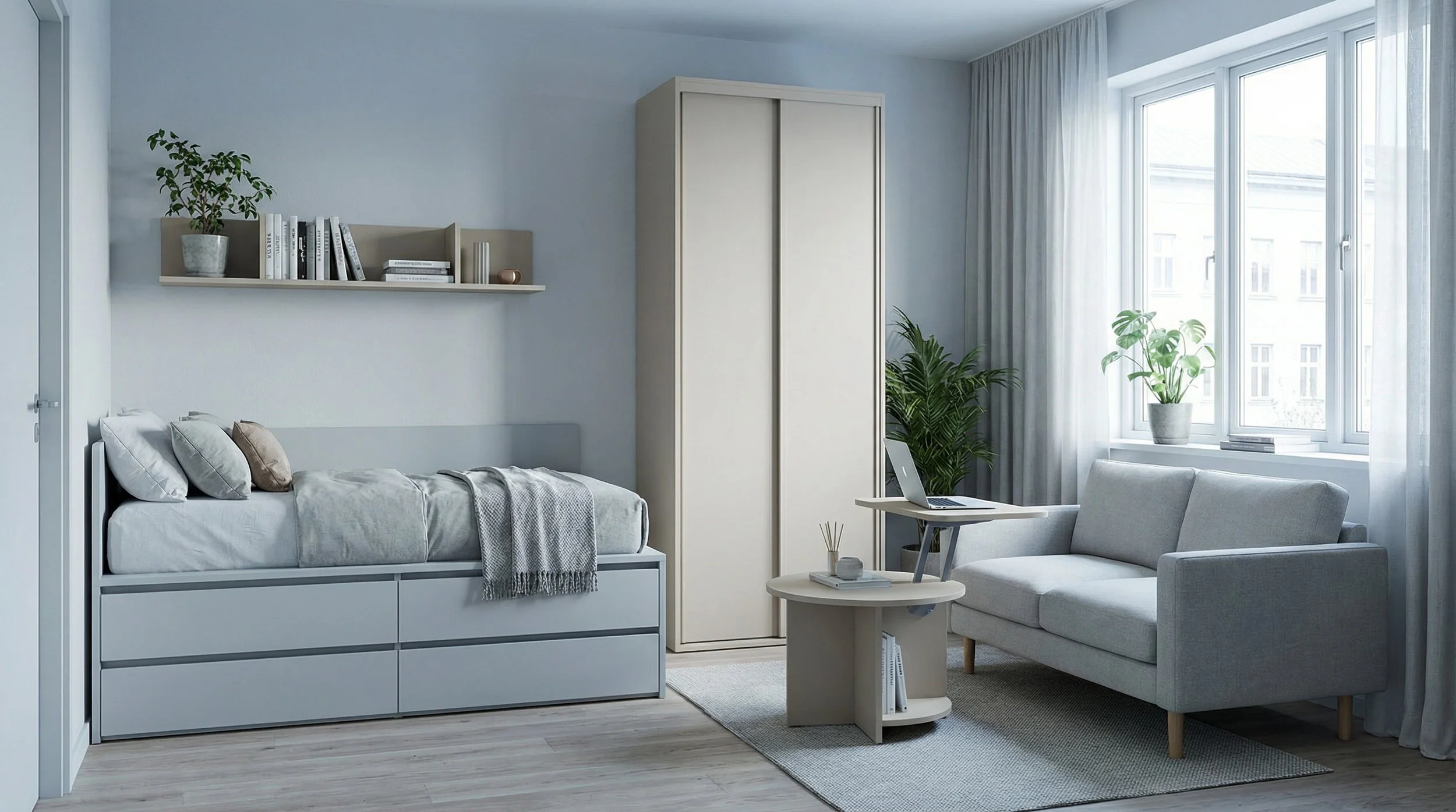
Beds with hidden storage
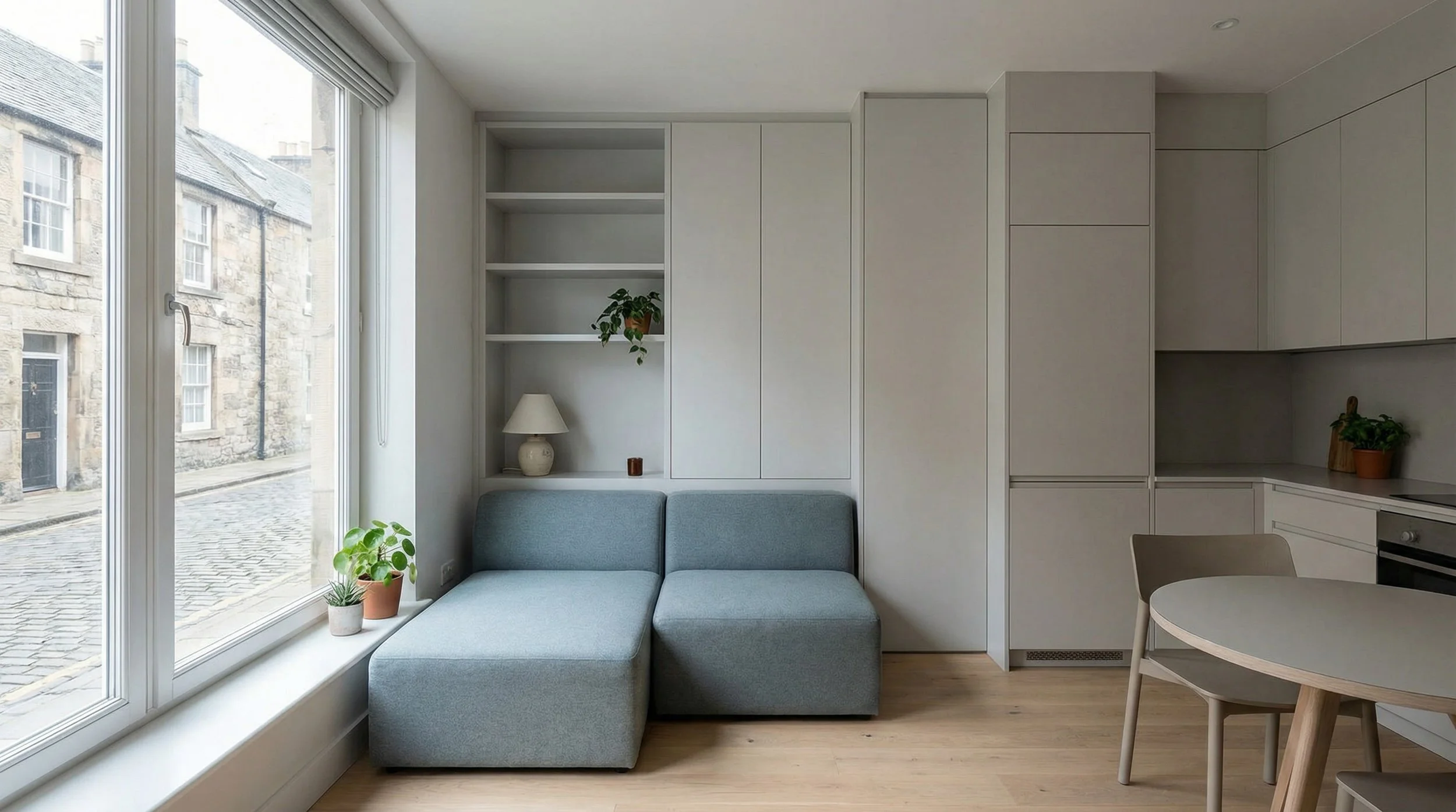
Slim wardrobes with full-height doors
Dining tables that double as workspaces
Benches with concealed compartments
Avoid bulky furniture that sits flat on the floor. Raised legs allow light and air to move, making the room feel larger.




How Europeans Organize Without Overfilling the Space
One of the most important lessons from European small apartments is restraint.
Instead of storing everything “just in case,” the focus is on:
Keeping only what fits comfortably
Storing items near where they’re used
Reducing duplicates
This creates homes that are easier to maintain because they are not overloaded.
Closed cabinets, drawers, and wardrobes keep visual noise low, which is essential in compact spaces.


Layout Tricks That Make Small Apartments Feel Larger
In small spaces, layout matters more than decor.
European designers often rely on:
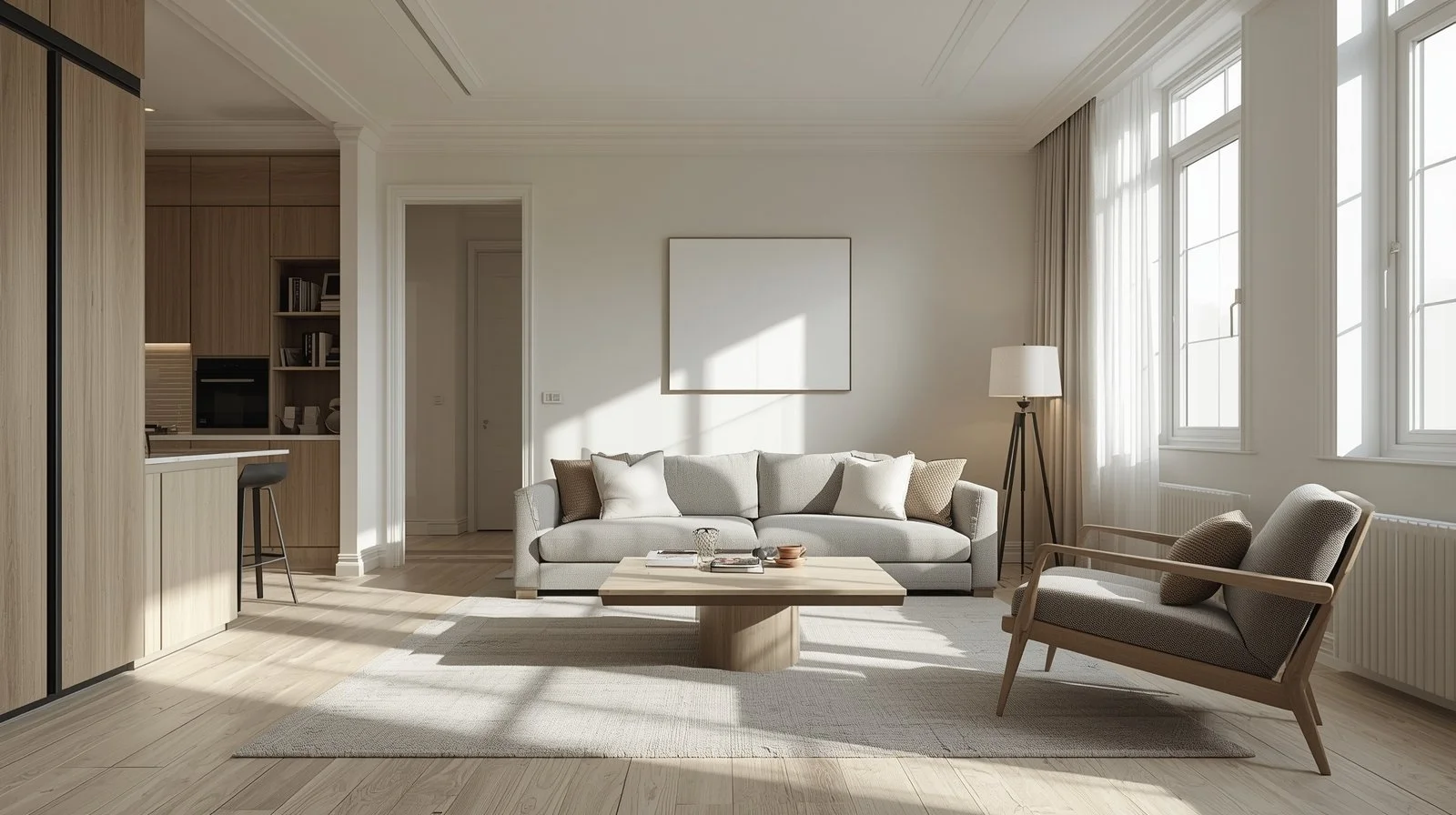
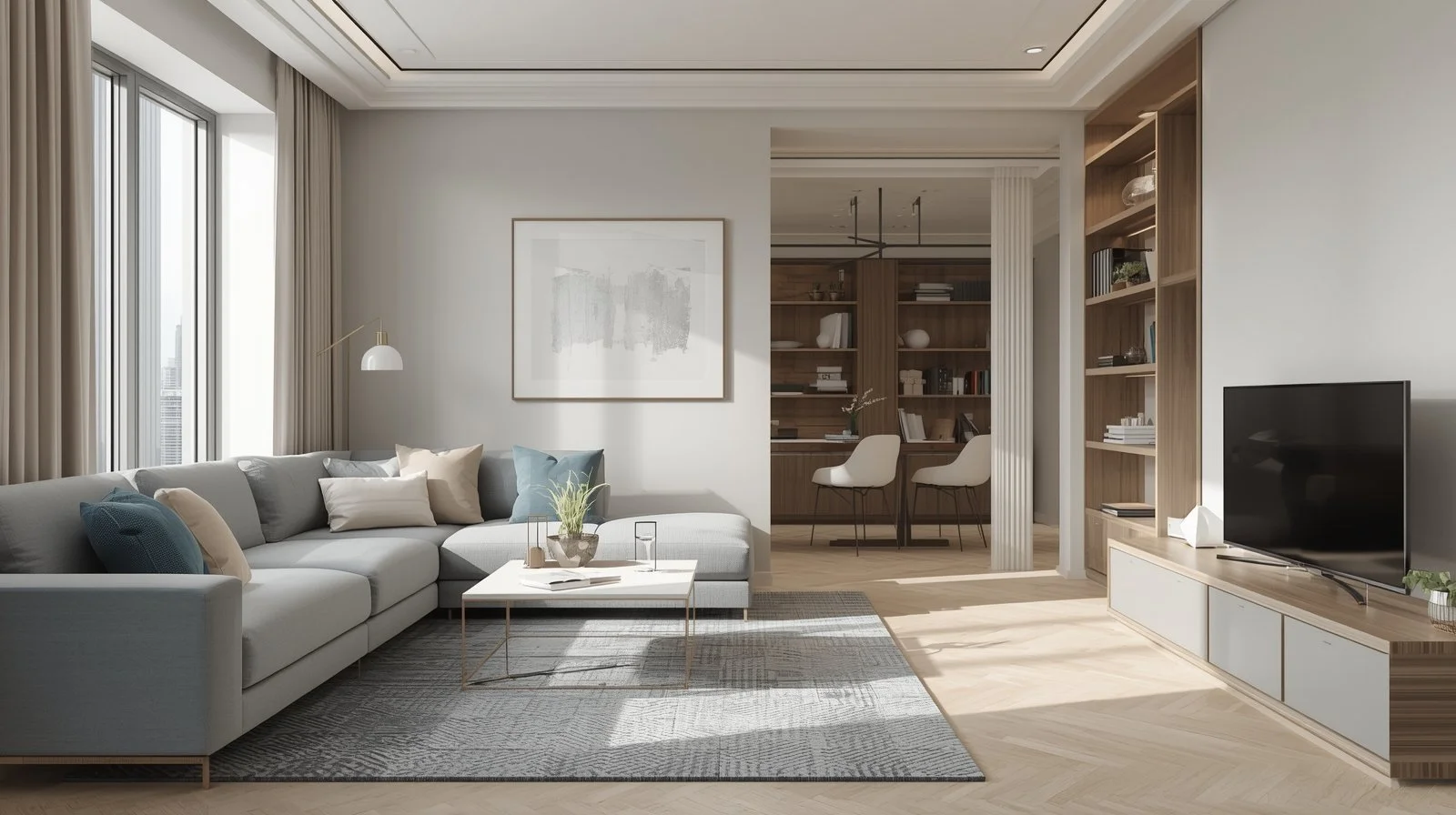
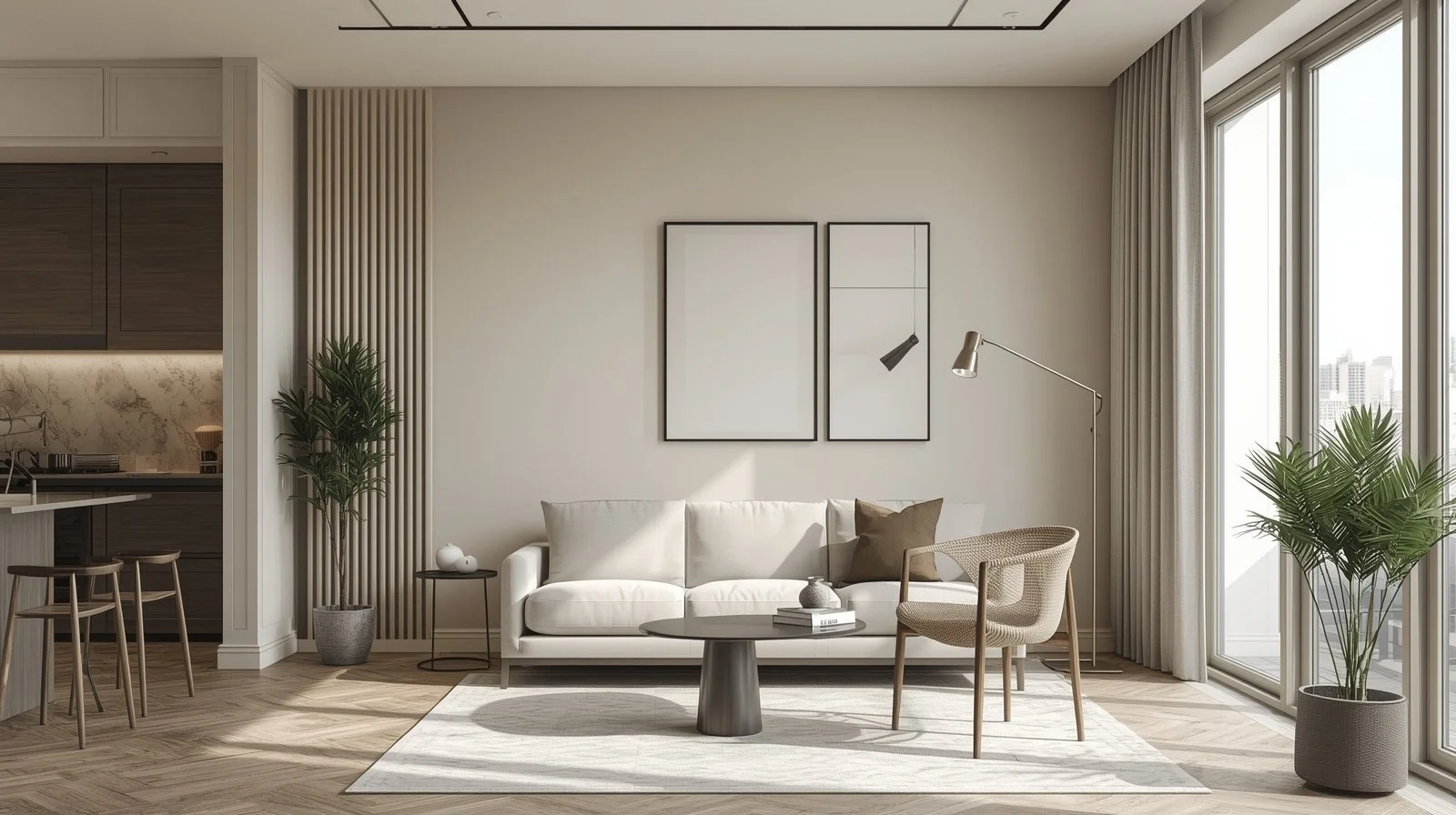
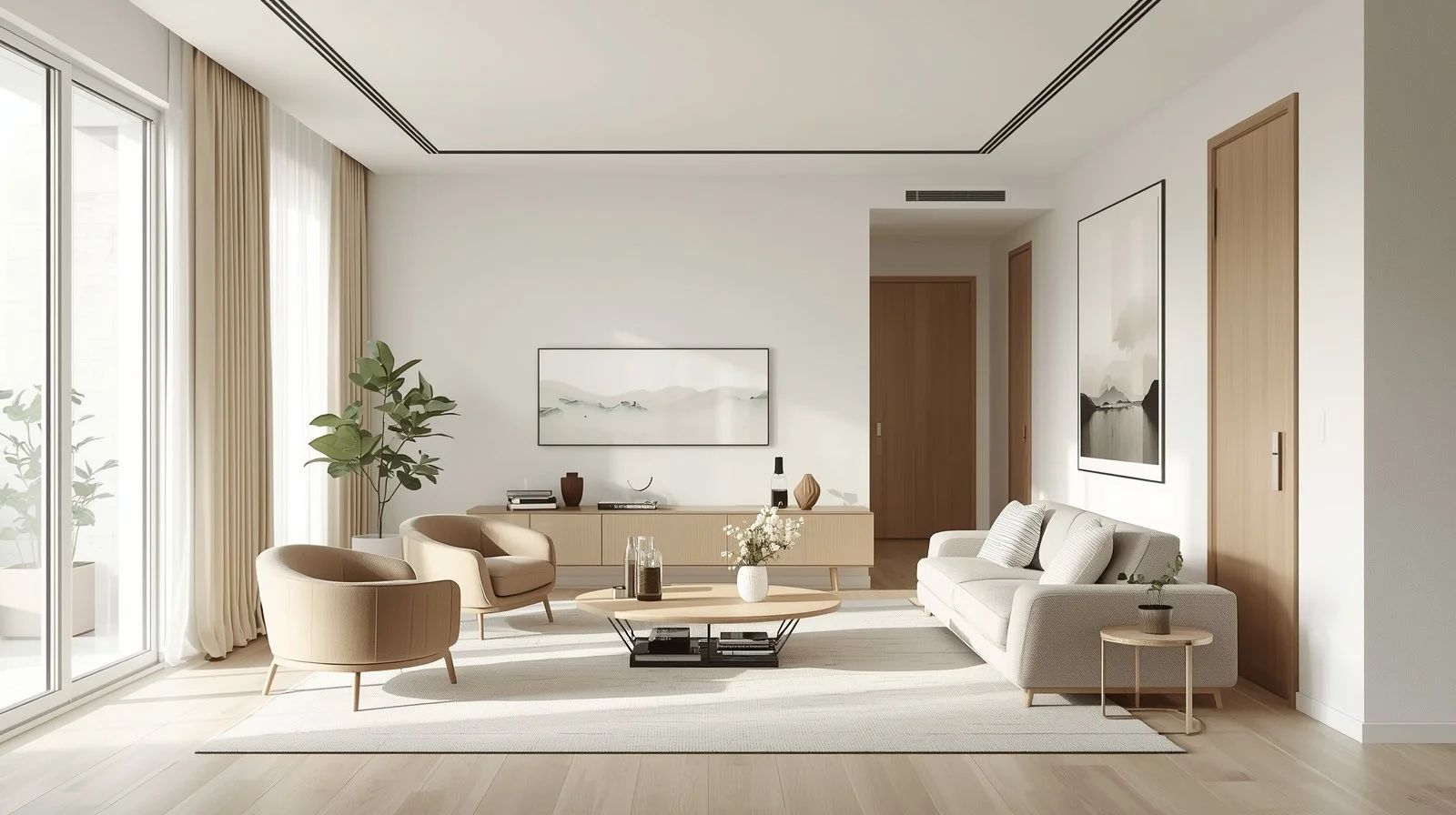
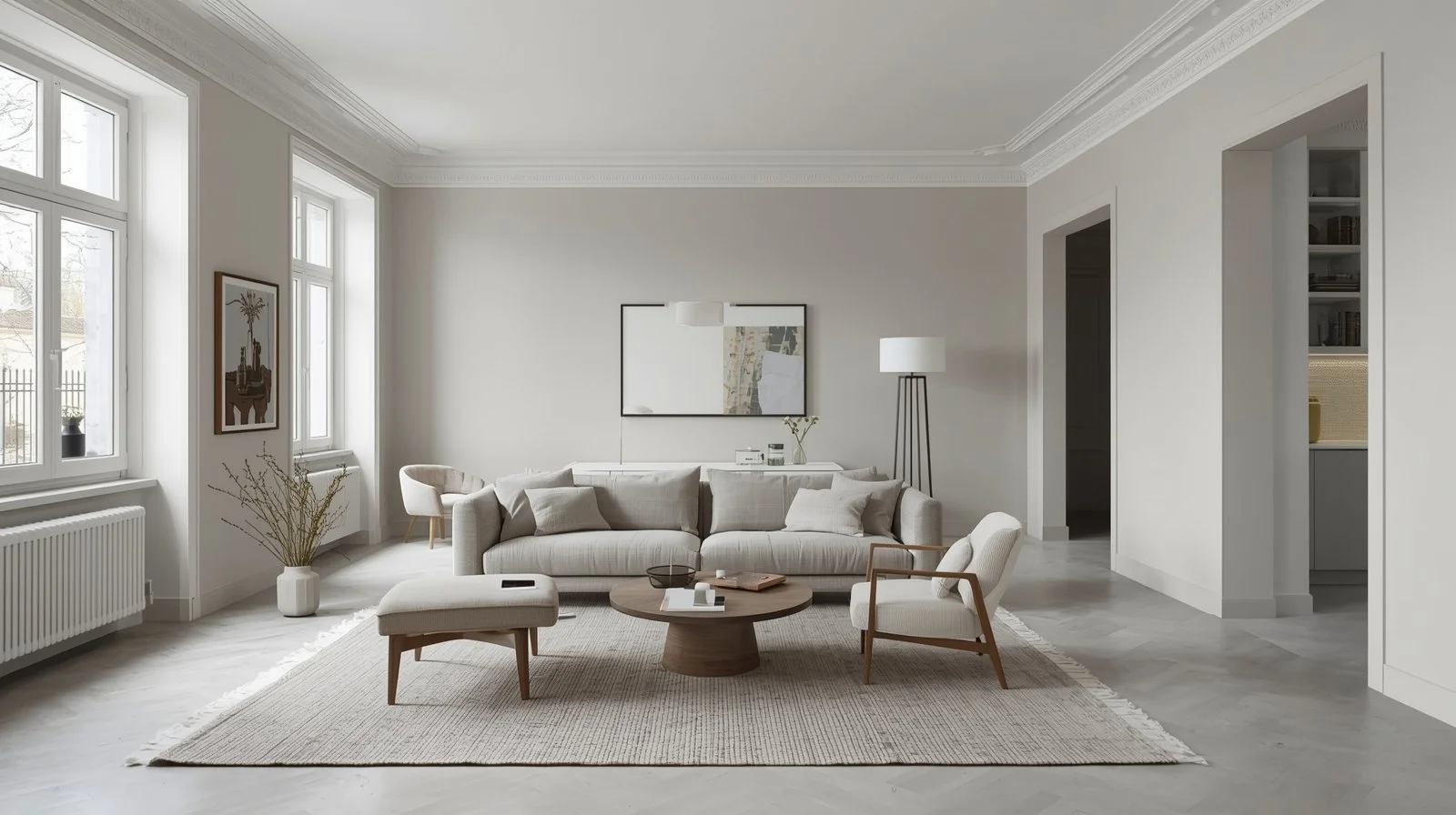
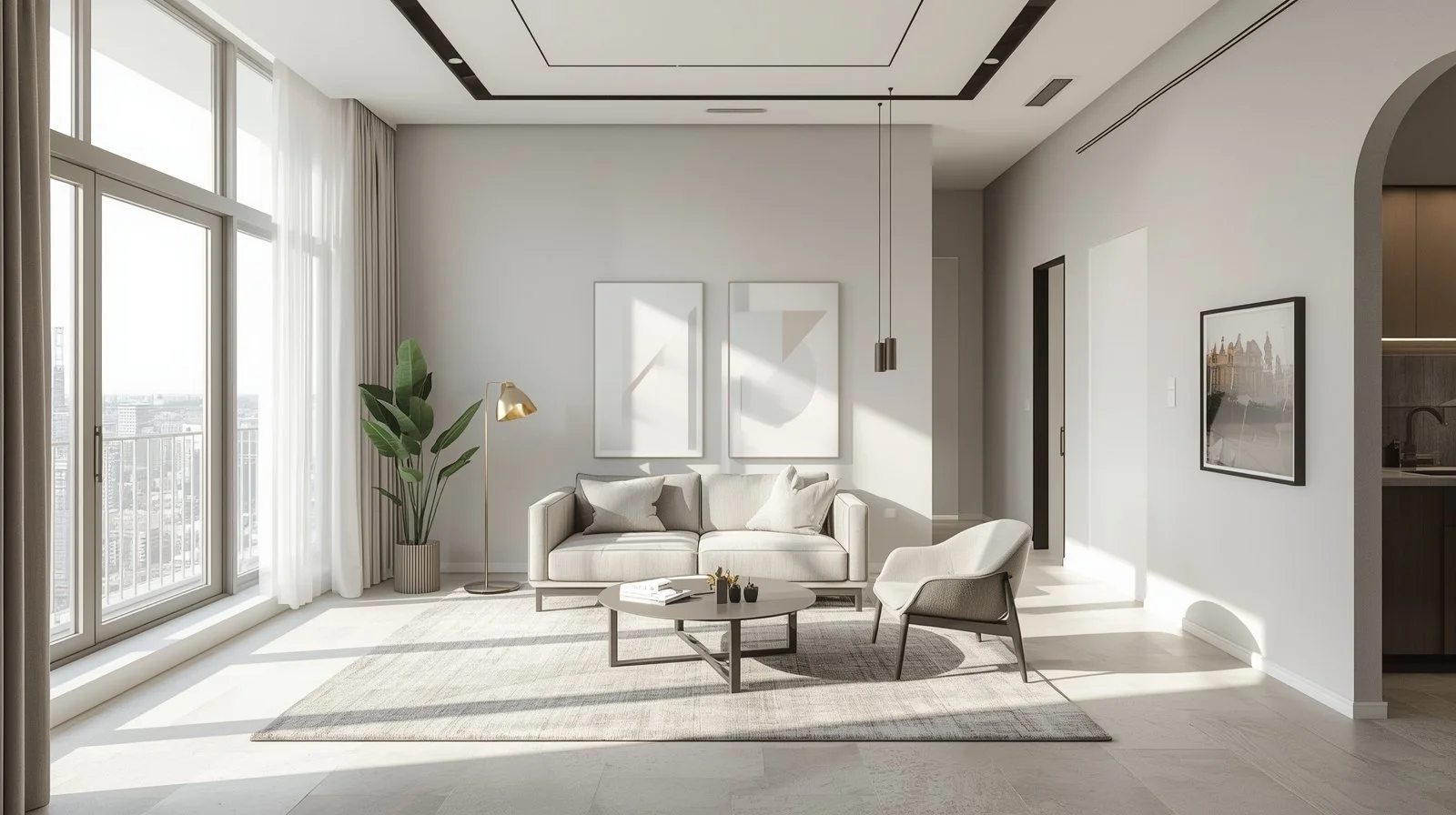
Defining zones with rugs instead of walls
Using fewer but larger furniture pieces
Maintaining clear walking paths
Avoiding visual breaks
Consistency creates flow, and flow creates the feeling of space.



Small Apartment Organization Is a Daily Practice — Not a One-Time Project
The most organized small apartments don’t stay that way because of constant effort. They stay that way because:
Systems are simple
Resetting the space takes minutes, not hours
The home supports daily habits
When organization is done well, maintenance becomes almost invisible.
A small apartment can feel calm, functional, and beautiful — but only when it’s designed to work with your life, not against it.
