
A Stylist’s 5-Step Closet Declutter That Actually Works (Without Starting Over)
There is a specific kind of frustration that comes from a full closet that still doesn’t deliver: you own plenty, yet nothing feels right. Most of the time, the problem is not your taste. It’s that your wardrobe has lost its structure.
A real wardrobe declutter is not about minimalism for its own sake. It is an editing process—the same kind used in fashion: keep what supports the story, remove what confuses it, and rebuild the “mix” so getting dressed becomes easy again.
Below is the method I use to think about a wardrobe like a system, not a pile of items.

Step 1: Define the Life You’re Dressing For
Before touching hangers, get clear on your actual life—not an aspirational one.
Ask yourself:
What do I wear most days: home, errands, work, meetings, school runs, social plans?
What do I avoid wearing—and why?
What is my “default outfit” when I’m in a rush?
This step prevents the most common declutter mistake: keeping items for a life you rarely live.
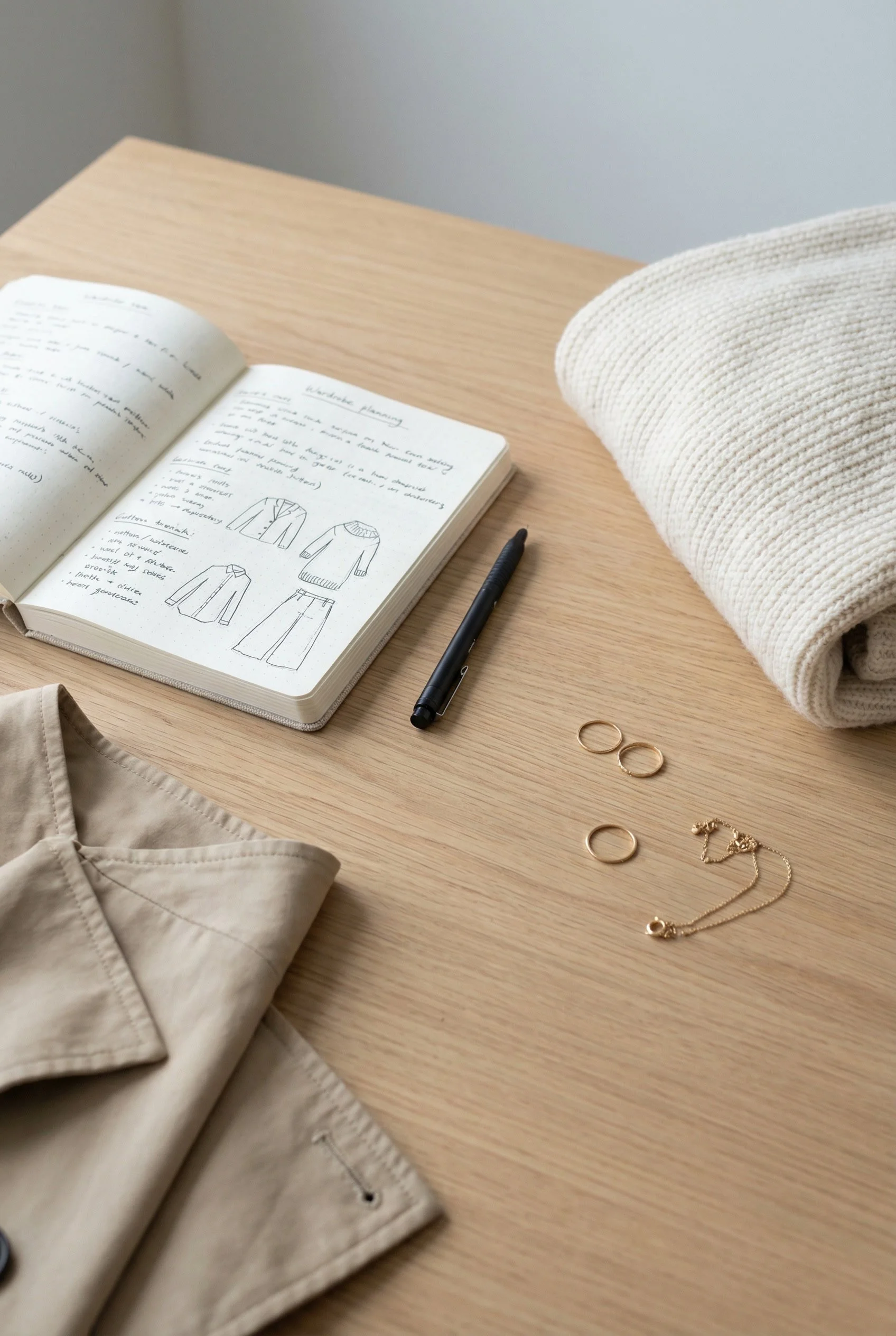
Step 2: Pull Everything Into Four Clear Categories
Do not try to decide item-by-item inside the closet. You need contrast to see what you own.
Create four piles (or four zones on your bed):
Core Keepers
Pieces you reach for repeatedly and feel like yourself in.Needs Tailoring / Repair
Items you genuinely would wear if they fit properly or were repaired.Maybe (Time-Limited)
Good items that don’t currently earn their place. This pile gets a deadline.Release
Anything that creates doubt, discomfort, or “someday” pressure.
A rule that helps: if it requires convincing, it’s not a keeper.

Step 3: Use the “Wearability Test” (The Only Test That Matters)
A piece can be beautiful and still not be useful. Wearability is where wardrobes become functional.
For each item, ask:
Fit: Do I feel physically comfortable and confident in it right now?
Fabric: Does it feel good on the body, and does it behave well through the day?
Function: Can I wear it for at least one real part of my life this month?
Pairing: Can I style it with at least three items I already own?
If the answer is “no” to two or more, it goes to Maybe or Release.

Step 4: Build Outfit Formulas (So You Stop Rebuying the Same “Fix”)
Most closet shopping fails because it’s random. Outfit formulas create structure and repetition, which is where personal style gets strong.
Choose 3–5 formulas you can repeat:
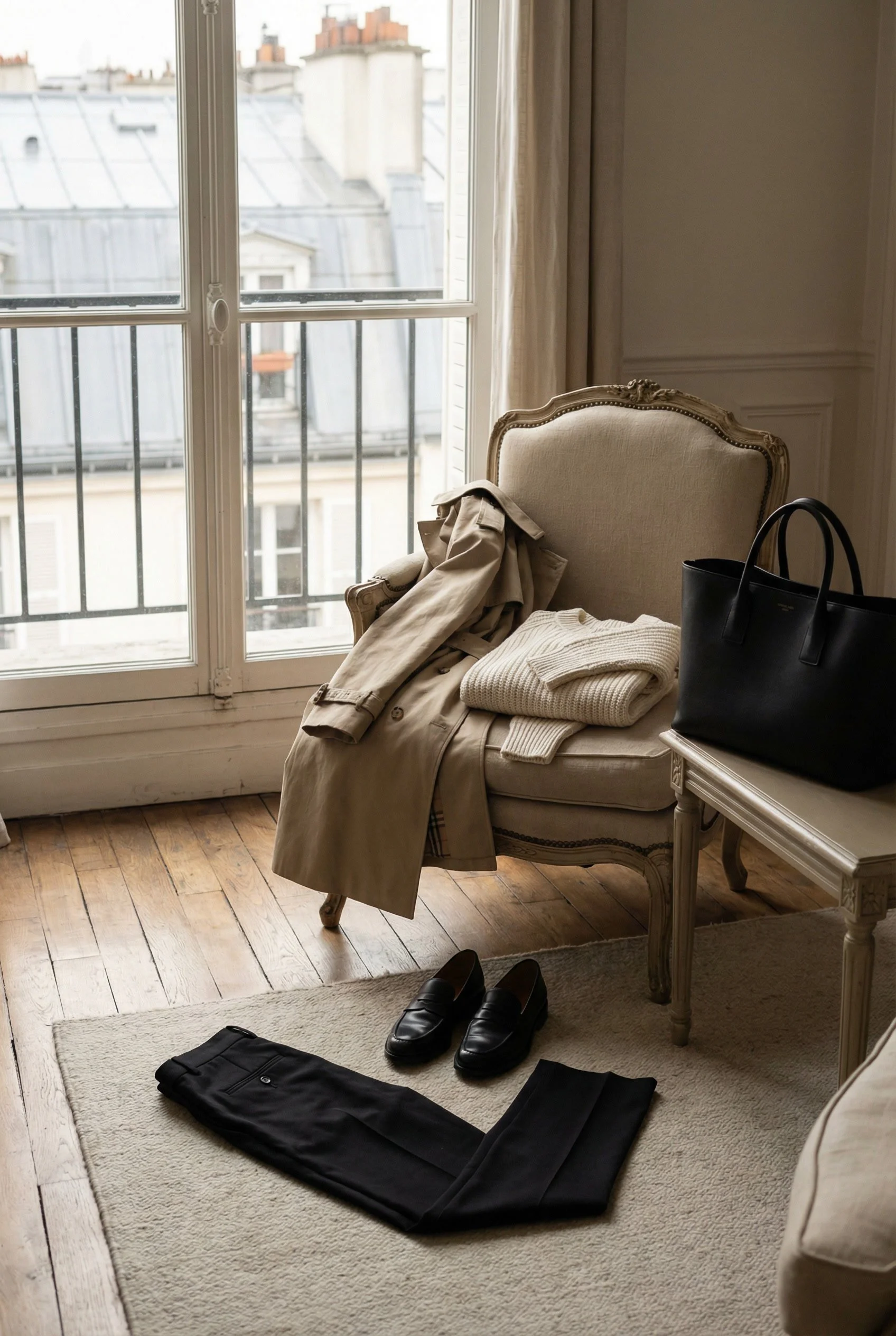
Trench + Knit + Straight Jeans + Loafers

Black Blazer + White Tee + Wide-Leg Trousers + Sneakers

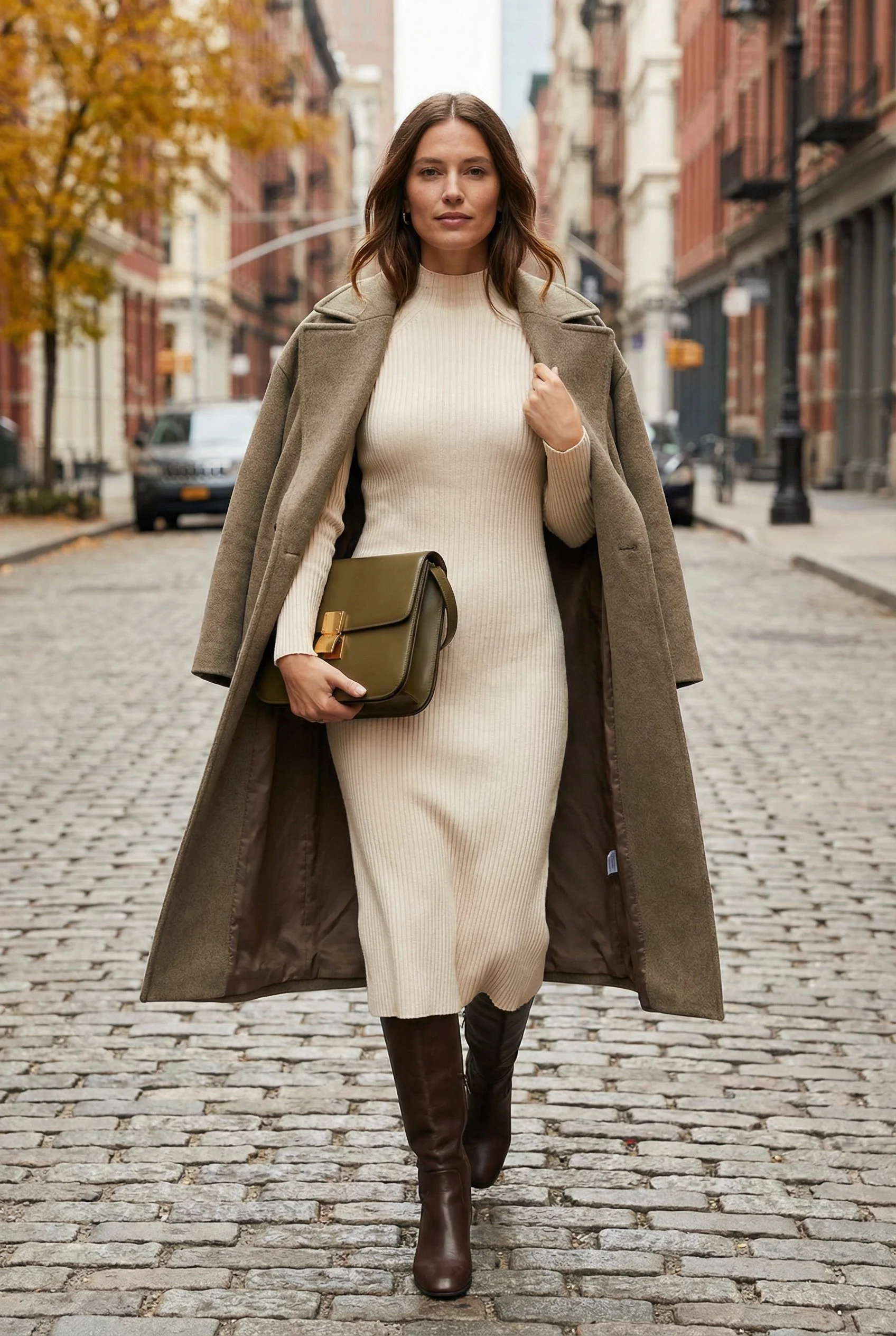
Fine Knit Dress + Tall Boots + Structured Bag
Button-Down + Knit Layer + Denim + Minimal Belt

Once formulas exist, your wardrobe stops feeling chaotic—because every new piece has a job.
Step 5: Create Your “Shopping Boundary”
This is how you keep the declutter from “growing back.”
Set 2–3 rules that protect your wardrobe:
No impulse buys without a planned outfit formula
Only fabrics that feel good on the body
Neutral base first, then accents
One in, one out (for categories that tend to multiply)
Decluttering is not only removal—it’s a new standard.

The Closet Should Feel Calm
If you want a simple way to measure success: your wardrobe should feel like a small, coherent collection—not a storage unit.
After this edit, you should be able to:
name your core colors
describe your main silhouettes
build outfits quickly from repeatable formulas
see clearly what’s missing (without panic-buying)
That is what “style” looks like in real life: not more options—better ones.
