
The Real Cost of Buying Things You Don’t Use
Most people assume the cost of an unused purchase is limited to its price tag. A jacket that still has the label on it. A kitchen appliance used once. A book bought with good intentions and never opened.
In reality, the financial cost is only the most visible layer. What matters more — and what quietly shapes how our homes, finances, and daily lives feel — are the secondary costs that accumulate over time.
Unused purchases affect how much space we have, how much mental energy we expend, how we relate to money, and how calm or chaotic our environment feels. This article examines those costs in detail, not to assign blame, but to explain why buying things we don’t use has a much larger impact than most people realize.
The Direct Financial Cost: Money That Never Converted Into Value
When something goes unused, the money spent on it did not produce a return. This seems obvious, but it is rarely examined this way.
Value is not created at the point of purchase.
Value is created when an item becomes part of daily life.
A $40 sweater worn weekly for years has far more value than a $300 jacket worn once and forgotten. When items sit unused, the money is effectively frozen — unavailable for savings, experiences, upgrades to essentials, or time freedom.
What makes this cost more significant is accumulation. One unused item is easy to dismiss. Over time, however, patterns emerge:
Buying variations of the same item in search of the “right one”
Replacing items that were never integrated
Purchasing for specific scenarios that never happen
Across years, this behavior often represents thousands of dollars that never improved quality of life.
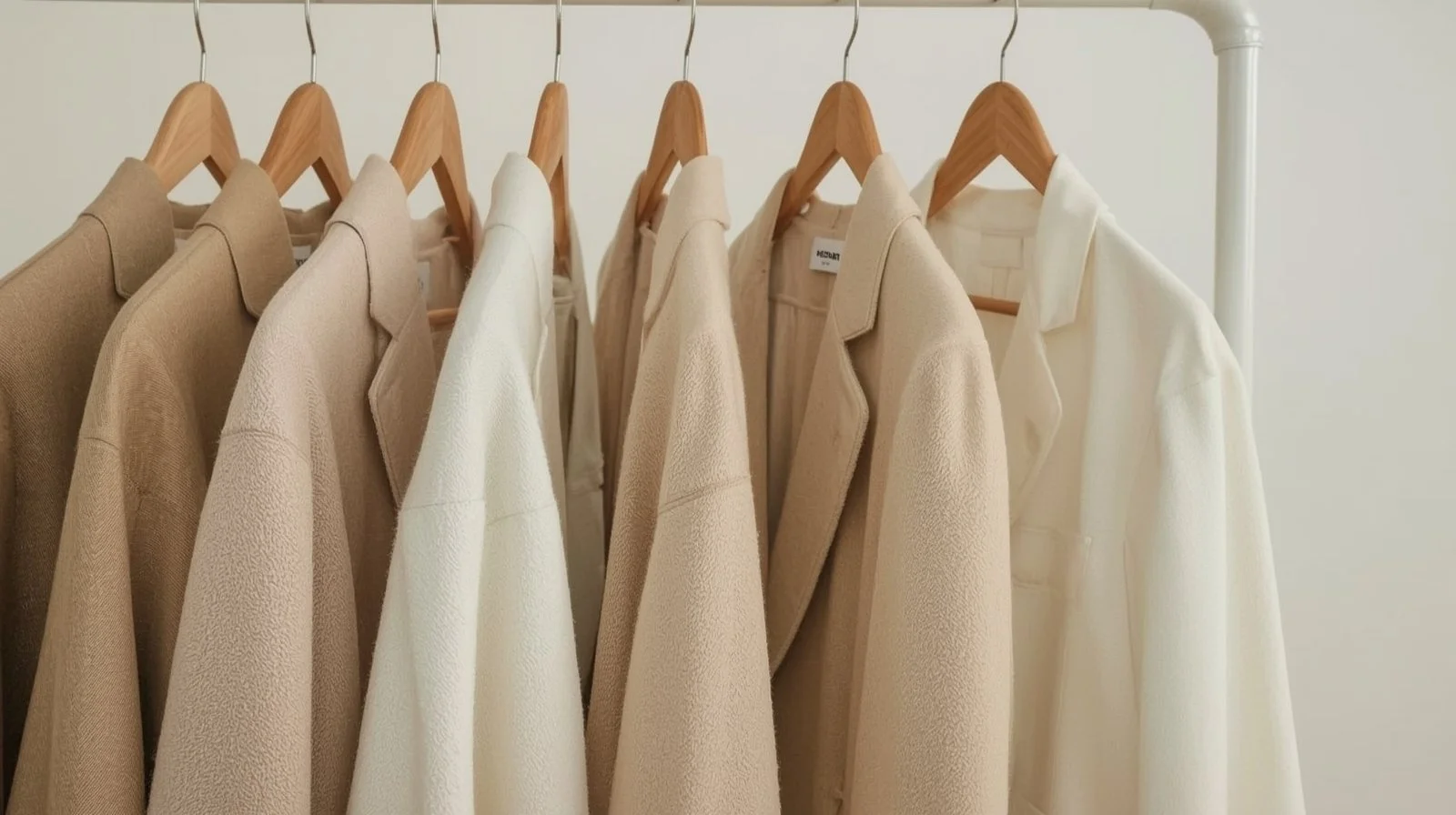
The Space Cost: Paying for Storage Without Realizing It
Every unused item occupies physical space. That space has a cost whether or not it is consciously acknowledged.
Homes are paid for by square footage. Closets, drawers, cabinets, and storage units all represent ongoing expenses in the form of rent, mortgage payments, heating, cleaning, and maintenance.
When storage fills with items that are not used, it reduces flexibility:
Closets feel full even when nothing feels wearable
Storage areas become inaccessible
Rearranging or downsizing feels impossible
In effect, unused items become permanent occupants of valuable space without contributing to daily function.
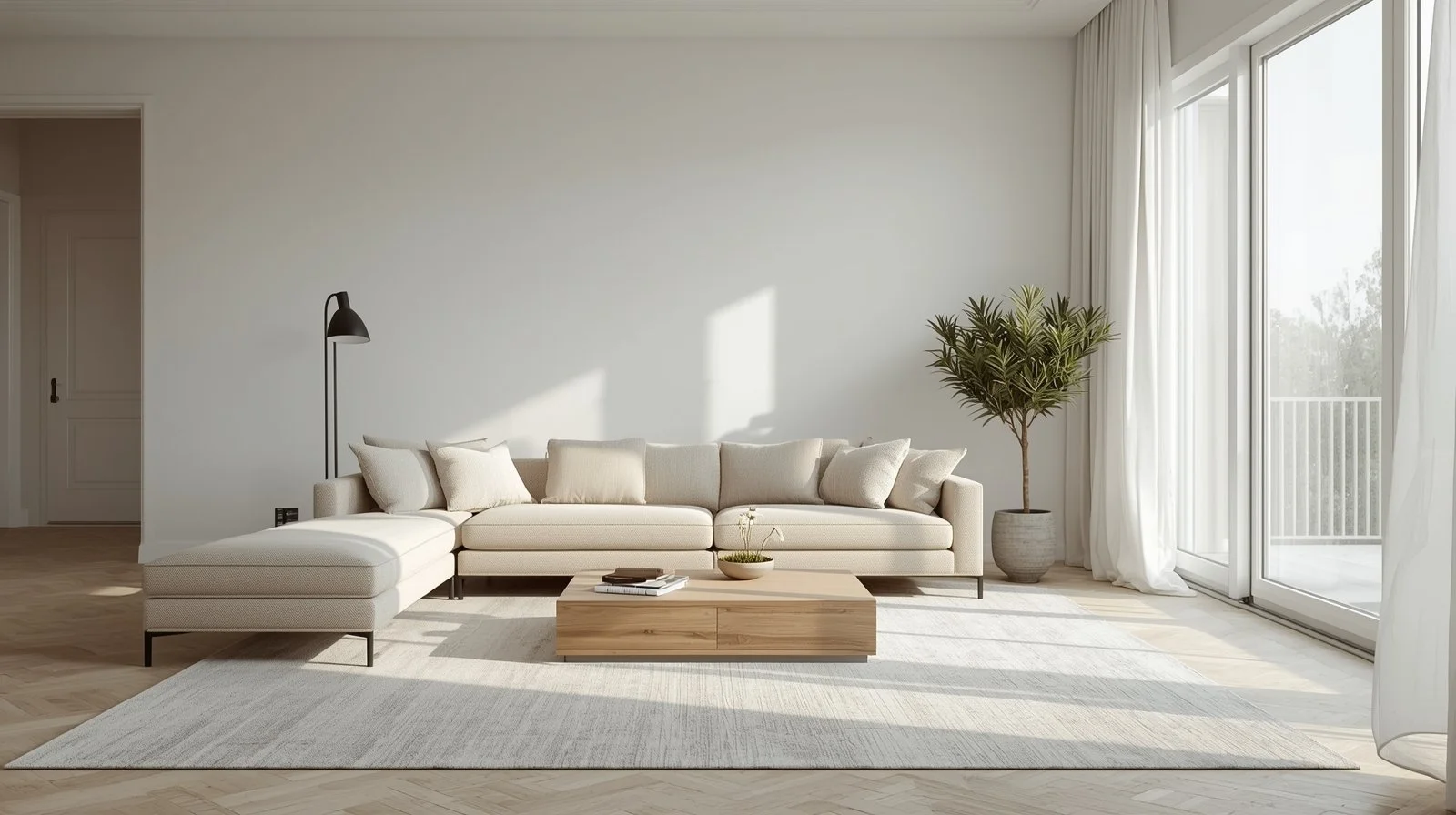
This is one reason minimalist or edited interiors often feel calmer. It is not about owning nothing — it is about ensuring that what occupies space earns its place through use.

The Cognitive Cost: Decision Fatigue That Builds Over Time
Unused items create mental noise. Each one represents an unresolved decision.
Should I keep this?
Should I sell it?
Will I need it later?
These questions rarely demand attention consciously, but they remain present. Multiply them by dozens or hundreds of items, and the mental load becomes noticeable.
This contributes to:
Feeling overwhelmed even in a clean home
Avoidance of closets or storage areas
Fatigue after organizing or tidying
Psychologically, the brain prefers closure. Objects that lack a clear role create ongoing cognitive friction, even when neatly stored.
The Emotional Cost: Buying for an Idealized Version of Life
Many unused items were not bought casually. They were bought with optimism.
People buy items for:
A more disciplined routine
A more social life
A different body or season
A lifestyle that has not materialized
When these items remain unused, they quietly reinforce a gap between intention and reality. This is not dramatic, but it is persistent.
Examples include:
Exercise equipment never used
Clothing suited for a lifestyle that no longer applies
Hobby supplies purchased with enthusiasm and abandoned
Over time, these objects can evoke guilt or pressure, even if unintentionally. They represent expectations that were not met, rather than needs that were fulfilled.

The Time Cost: Managing What You Don’t Use
Unused items require ongoing management. Even when they are not actively used, they still need to be:
Stored
Cleaned
Moved
Sorted
Reconsidered
This management consumes time. The more excess a household contains, the more time is required simply to maintain order.
This is why decluttering often feels exhausting — it is not just physical labor, but decision-making and emotional processing layered together.
Time spent managing unused items is time that could otherwise be spent resting, working, or enjoying a space without friction.
The Energy Cost: Why Homes Can Feel Heavy
Energy, in this context, refers to attention and emotional capacity.
A home filled with unused items can feel heavy because it lacks clarity. Too many objects compete for visual and mental attention, even if they are orderly.
This is why edited spaces often feel lighter, brighter, and calmer — not because they are empty, but because they are intentional.
Energy improves when every visible object has a role.
The Environmental Cost: Resources Without Return
Every item purchased consumes resources before it ever reaches a home. Materials are extracted, products are manufactured, shipped, packaged, and stored.
When items go unused, these resources never translate into functional value.
Sustainability is often framed around materials, but usage is equally important. An item used consistently for years has a significantly lower environmental impact than multiple unused or short-lived purchases.
Buying less, but with higher alignment, is one of the most effective — and quiet — ways to reduce waste.
Why People Keep Buying Things They Don’t Use
Understanding the reasons behind unused purchases helps prevent repetition.
Common factors include:
Emotional shopping as stress relief
Identity experimentation
Fear of missing out
Discount urgency
Optimism about future time or motivation
Shopping often addresses a feeling rather than a practical need. When that feeling passes, the object remains.
This is not a personal flaw. It is a predictable behavioral pattern encouraged by modern retail environments.
How to Reduce the Pattern Without Extreme Rules
Avoiding unused purchases does not require strict minimalism or deprivation.
It requires better alignment.
Before buying, consider:
Where will this live in my home?
When will I realistically use it?
What problem does it solve today?
Am I buying this for my current life or a hypothetical one?
Clear answers tend to predict actual use.

Redefining Value: Use Over Ownership
Ownership alone does not create value. Integration does.
An item earns its place when it:
Simplifies daily routines
Supports real habits
Reduces friction rather than adding to it
This shift changes how people relate to spending. Purchases become calmer, slower, and more satisfying — because they are fewer and better matched.
A Practical Takeaway
Unused items are not failures. They are feedback.
They highlight:
Where expectations exceeded reality
Where shopping replaced clarity
Where life changed but belongings did not
Once these patterns are understood, buying less becomes a relief rather than a restriction.
The real cost of unused purchases is cumulative and subtle. It appears in crowded storage, mental fatigue, lost time, and financial stagnation.
When buying becomes intentional — focused on use rather than hope — homes become lighter, finances more flexible, and daily life noticeably calmer.
The goal is not to own less for its own sake, but to own what genuinely supports the life you already live.
